

ACEWM, CNCS, and NORHED II Strengthen Research Capacity through Ethics and One Health Workshop
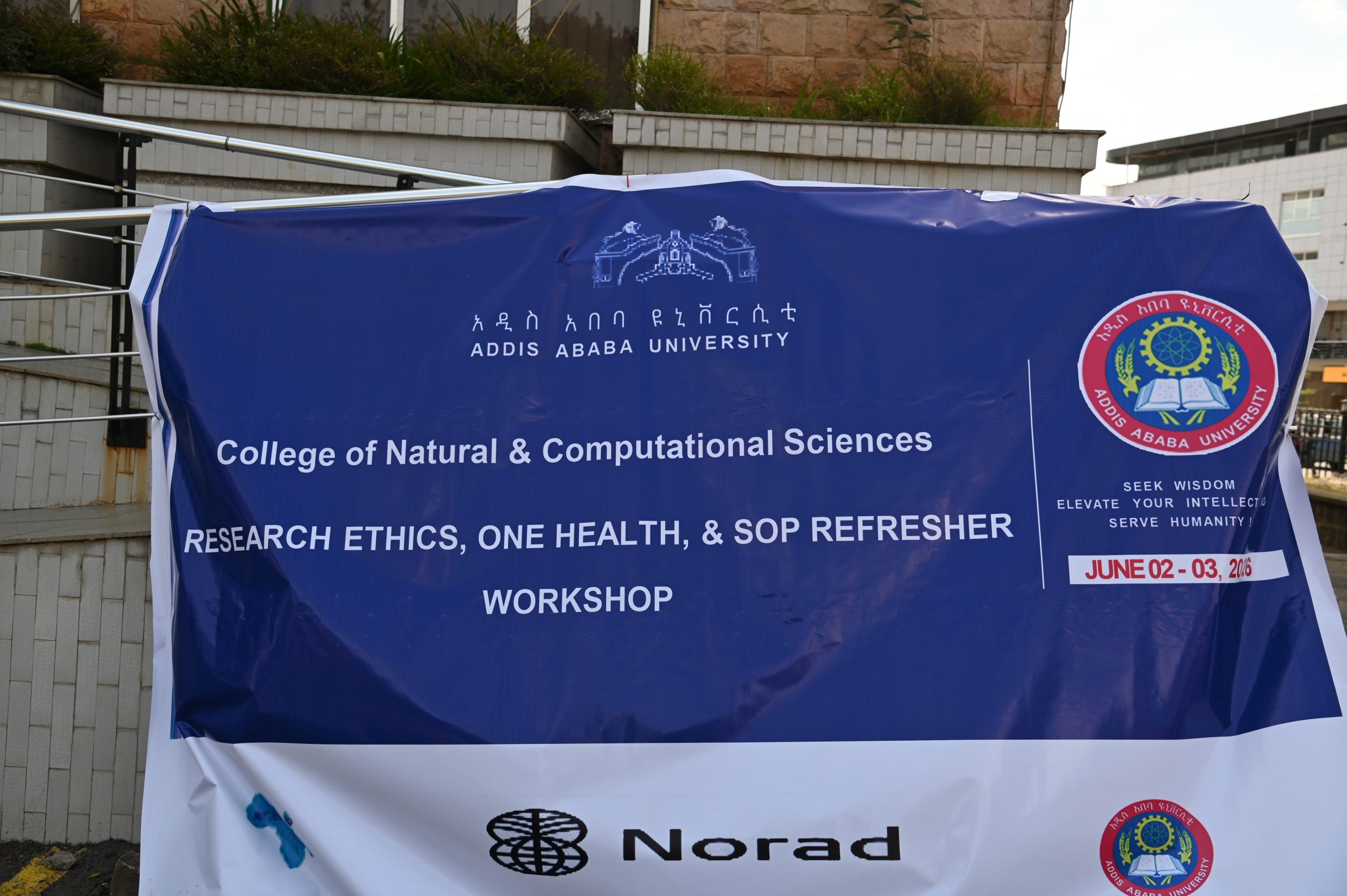
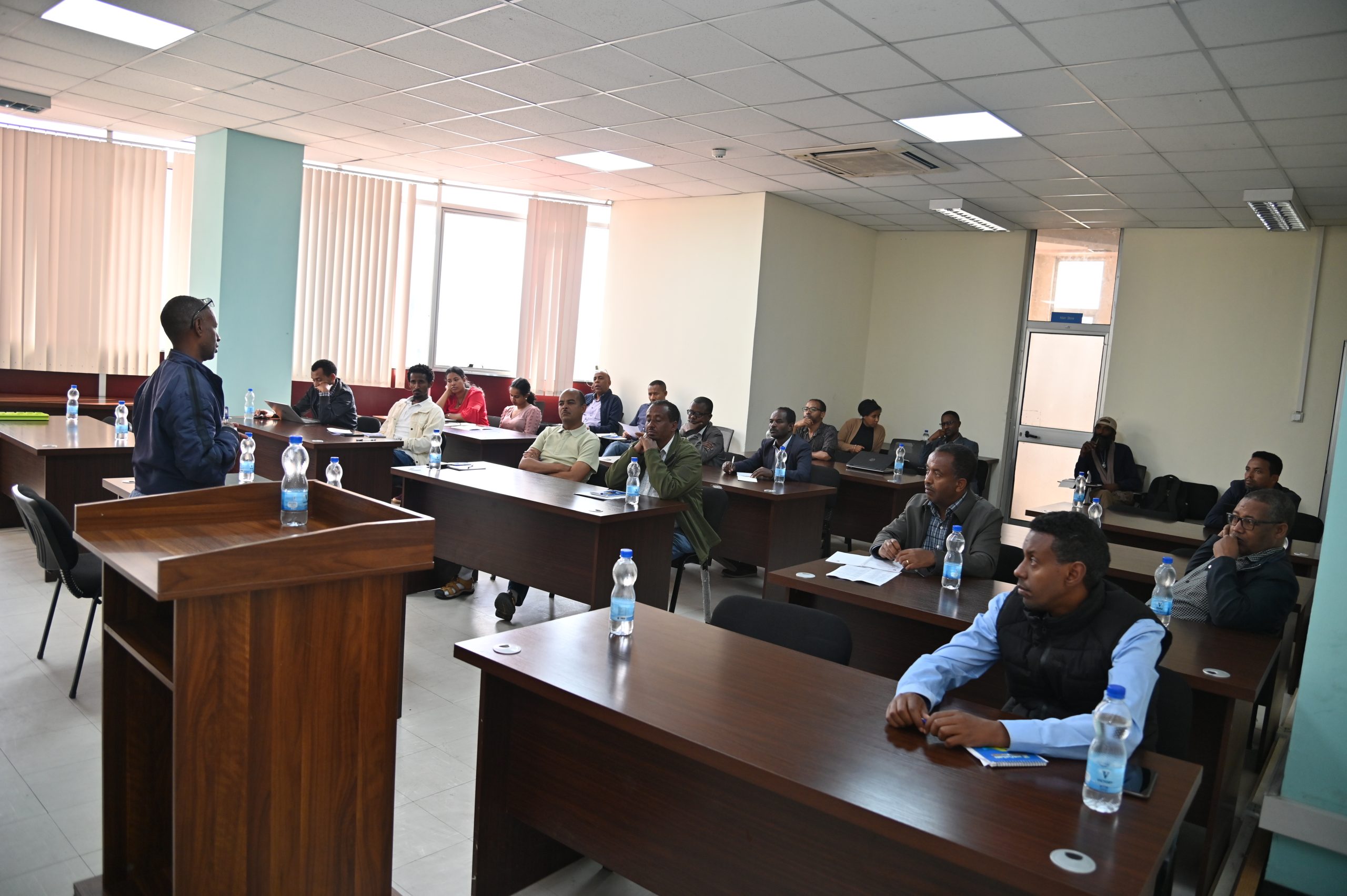
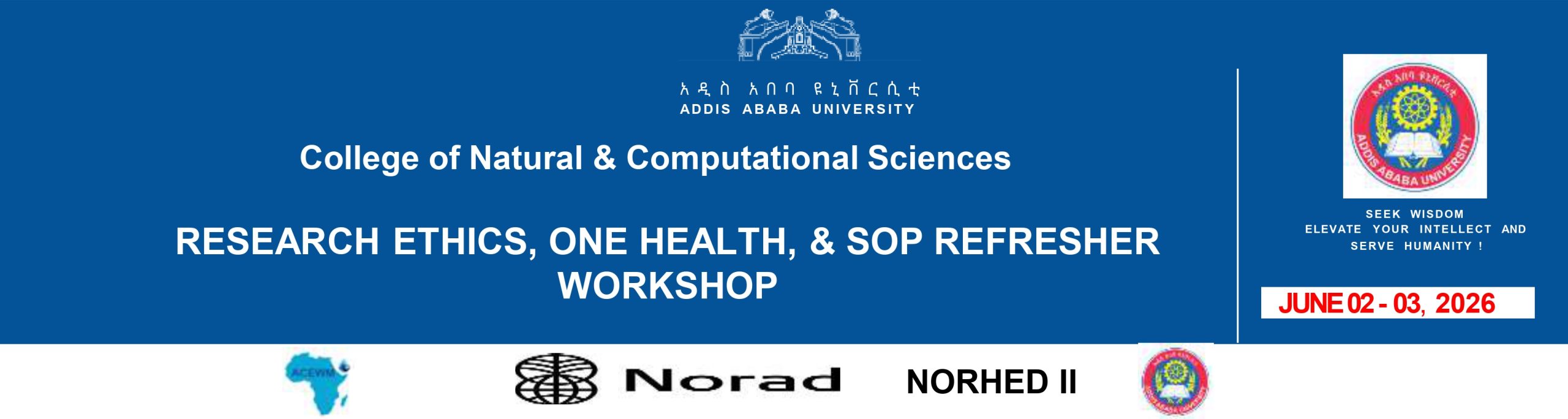
The Africa Center of Excellence for Water Management (ACEWM), in collaboration with the College of Natural and Computational Sciences (CNCS) of Addis Ababa University, and the NORHED II project, successfully conducted a two day refresher workshop on Research Ethics, One Health, and Standard Operating Procedures (SOPs) from 2–3 June 2026.
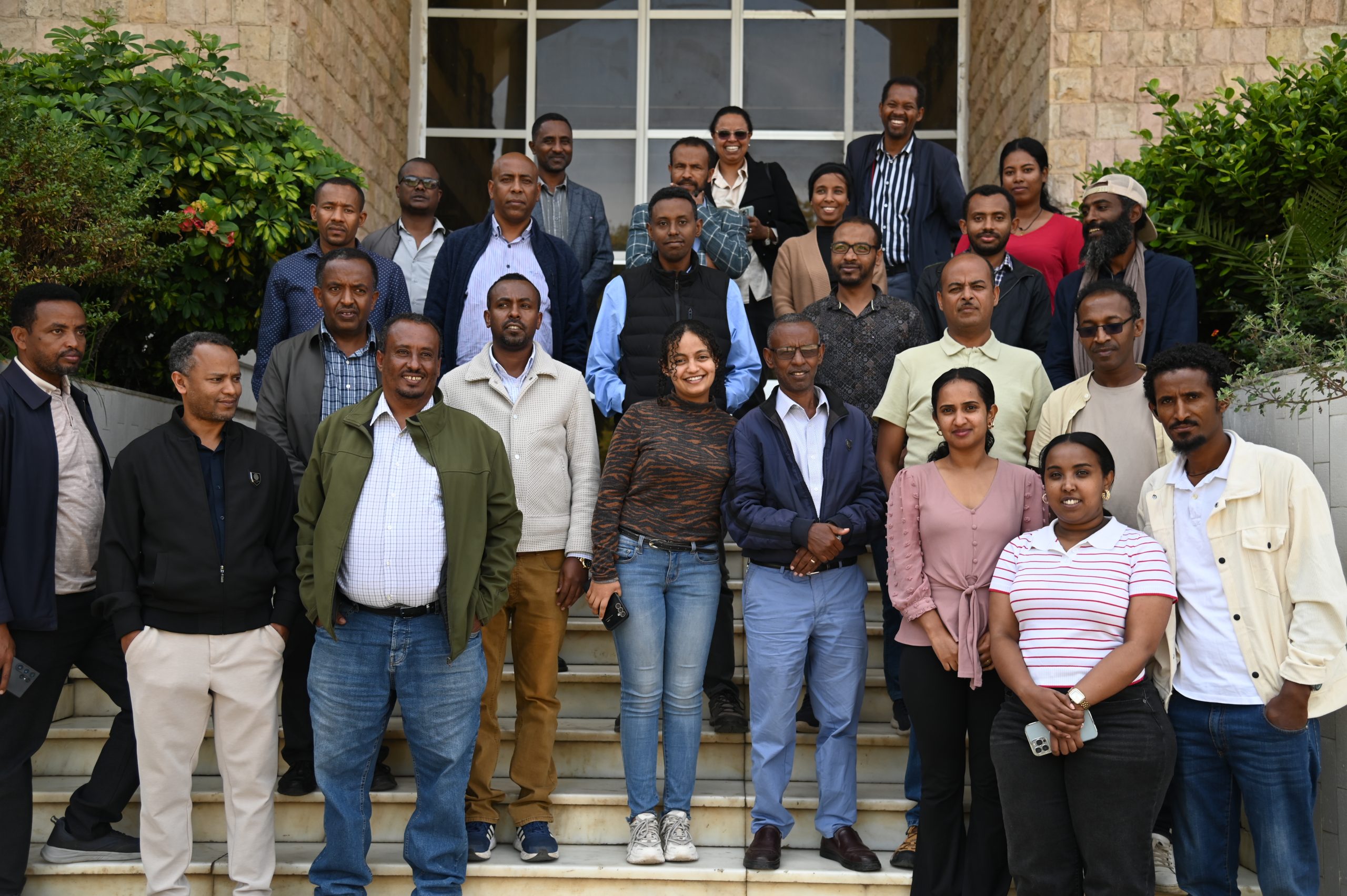
The workshop brought together over 35 participants – including researchers, faculty members, and technical staff from five university departments – who are actively engaged in One Health and waterrelated research. The training directly supported three core objectives of the NORHED II project (2021–2026, funded by NORAD): developing novel One Health MSc/PhD curricula, awarding scholarships to earlycareer researchers, and fostering staff/student mobility and integrated knowledge management across partner institutions (UiT – The Arctic University of
Norway, MUST, NVI, and NIBIO).
Participants engaged in casebased discussions on ethical principles and best practices, with a focus on integrity, accountability, and compliance. A pre and postworkshop selfassessment revealed a notable increase in participants’ confidence in applying One Health frameworks and navigating ethical review processes. Refresher sessions on Standard Operating Procedures (SOPs) emphasized consistency, quality assurance, safety, and regulatory compliance, providing practical checklists adapted to local laboratory and field conditions.
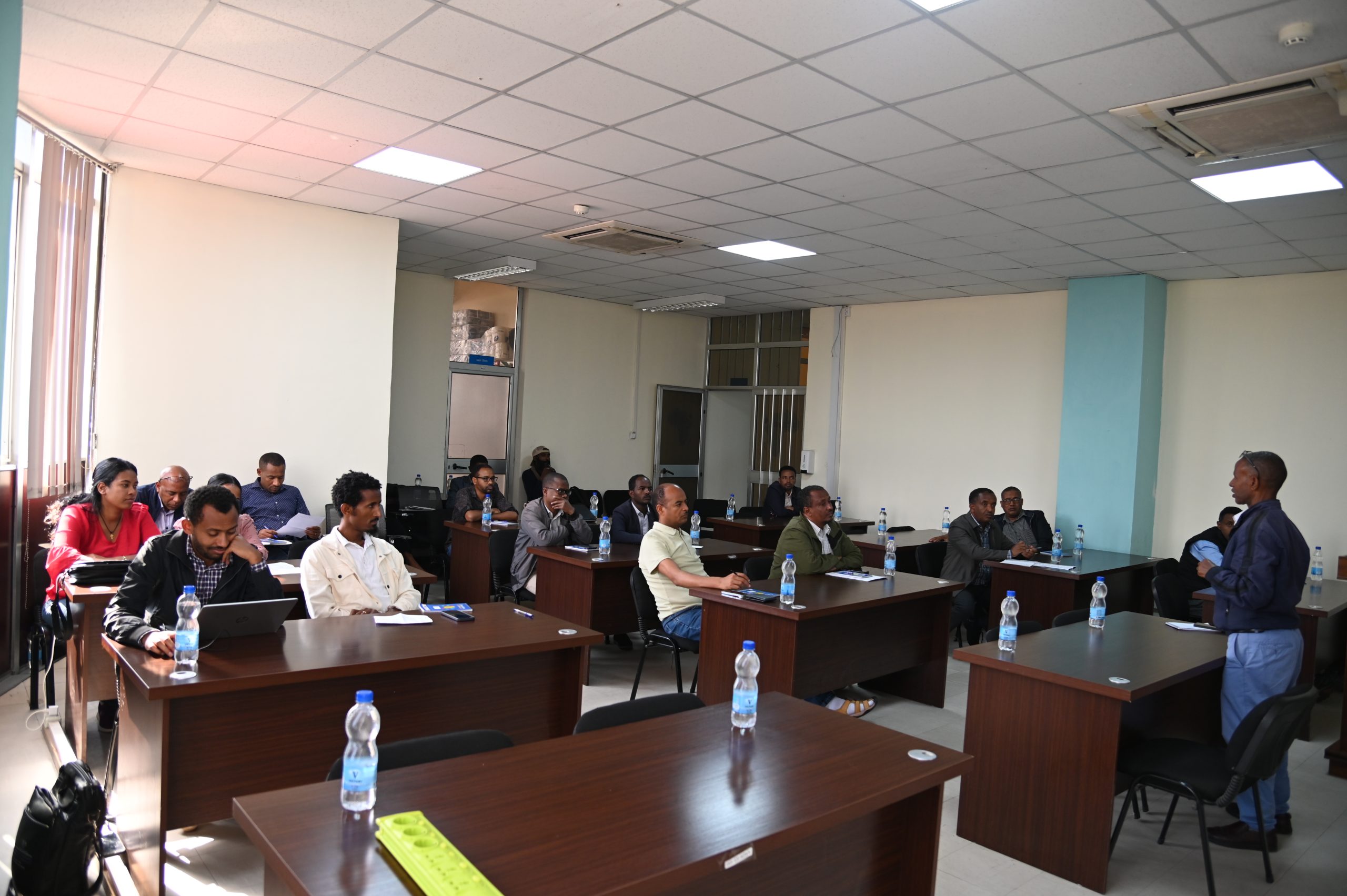
Discussions also identified persistent data silos between human, animal, and environmental health sectors and inconsistent SOP application across collaborating institutions. Participants acknowledged that a single workshop cannot resolve structural barriers; therefore, they agreed to establish a Technical Working Group on Harmonized SOPs and Data Sharing, building on a similar task force created during the December 2025 NORHED II consultative meeting.
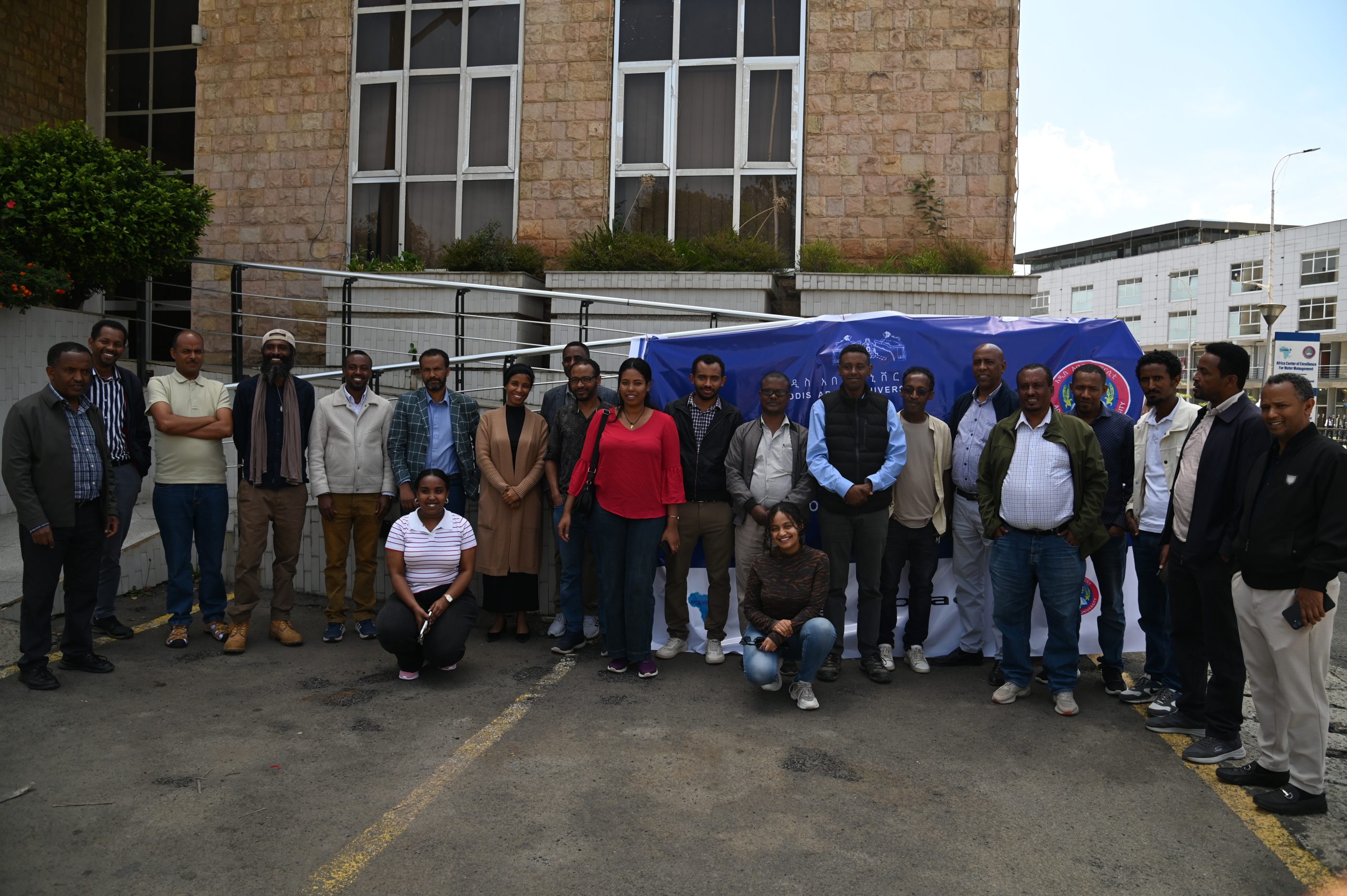
The workshop concluded with participants renewing their commitment to uphold the highest standards of research ethics and quality while advancing the interdisciplinary, evidencebased approach mandated by the NORHED II project. The initiative reflects the shared commitment of CNCS, ACEWM, and NORHED II to build sustainable research capacity, promote integrity, and foster innovative solutions to local and global challenges through multisectoral collaboration.

About ACEWM
The Africa Centre of Excellence for Water Resources Management (ACEWM) at Addis Ababa University is a regional hub for advanced education, research, and innovation in water and environmental sustainability. Established through the support of the Government of Ethiopia and the World Bank Group, ACEWM is Ethiopia’s first AQAS-accredited center of excellence. Since 2016, the Center has trained MSc and PhD scholars from across Africa and beyond through interdisciplinary programs and strong global academic partnerships.
PhD Programs (4 Years)
|
Program |
Specialization |
Eligible Master’s Degrees |
|
Water Management |
Water Science & Technology | Environmental/Water Resources Engineering, Water Supply, Sanitation, Chemistry |
| Hydrology & Water Resources Management | Hydrology, Hydrogeology, Water Resources Engineering/Management | |
|
Groundwater Resources Management |
Hydrogeology, Water Resources Management | |
| Aquatic Ecosystems Management |
——- |
Aquatic Science, Environmental Science, Biology, Limnology |
| Water and Health |
Water & Public Health |
Water/Environmental Health, Public Health, Epidemiology |
| Water & Wastewater Treatment |
——- |
Environmental Engineering, Sanitary Engineering, Biotechnology |
MSc Programs (2 Years)
|
Program |
Specialization |
Eligible Bachelor’s Degrees |
| Water Management |
Water Quality Management | Chemistry, Biology, Geology, Engineering |
| Hydrology & Water Resources | Water/Civil/Environmental Engineering, Hydrogeology, Geology | |
| Water & Development | Engineering, Agriculture, Social Sciences, Natural Resources | |
| Water, Sanitation & Health |
——- |
Environmental/Water Engineering, Environmental Health |
| Wastewater Management |
——- |
Civil/Environmental/Sanitary Engineering |
| Aquatic Ecosystems Management |
——- |
Fisheries, Biology, Animal Sciences |
Instruction: English (lectures, seminars, field studies, e-learnings)
Study Mode: Full-time
Key Features
- AQAS international accreditation
- Research collaborations with global institutions
- Industry-experienced faculty
- Field-based learning approach
For All Applicants
- Ethiopian nationality
- English proficiency proof
- Pass Graduate Admission Test (GAT): Telegram:t.me/aauGAT
- Foreign degrees authenticated by FDRE-ETA
- Meet AAU graduate requirements
PhD Additional Requirements
- Evidence of research capacity (thesis/publication)
- page concept note (supervisor-approved)
- Commitment to full-time research in Ethiopia
- Identify AAU/partner supervisor (include CV & consent letter)
Application Package (Single PDF)
- Cover page (full name, contacts, program choice)
- ID/Passport copy
- CV (≤4 pages)
- Authenticated degrees & transcripts
- Personal statement (≤500 words)
- Recommendation letters (3)
- Sponsorship letter (if applicable): https://portal.aau.edu.et/Web/GraduateApplication/Download
- Employer study leave commitment (if employed)
- Professional experience certificates
- Cost-sharing clearance
- PhD only: Concept note + Supervisor documents
Fellowship
- ACEWM will have a modest funding to support selected MSc and PhD research projects.
- Women are strongly encouraged to apply.
How to Apply
- Using ACEWM application form:Click here to apply,
- In addition, Using AAU’s portal: https://admission.aau.edu.et/ (when the portal is opened soon)
- Moreover, an electronic copy of the application documents in English and in a single PDF document shall be submitted to the following contacts:
To: Mr. Netsanet Assefa, Student Affairs Officer, ACEWM, E-mail: netsanet.assefa@aau.edu.et
Cced: Dr. Dessie Nedaw, Academic Program Coordinator, ACEWM, Email: dessie.nedaw@aau.edu.et
Application Deadline: 31 July 2026
All4WASH Summer School on Artificial Intelligence in Water Management
The All4WASH project, funded by the Norwegian Partnership Program for Global Academic Cooperation (NORPART), is pleased to announce scholarships for students to attend an international Summer School on Artificial Intelligence in Water Management. The summer school will take place at Addis Ababa University from 20–30 July 2026 and will bring together students from partner institutions in Norway, Mali, Ghana, Ethiopia, South Africa, Uganda, and Tanzania. The summer school aims to strengthen international collaboration while building capacity in digital and AI-driven water management.
Participants will take part in lectures, practical sessions, and collaborative group work focusing on real-world water challenges and innovative digital solutions.
Topics Covered
The summer school will explore practical applications of artificial intelligence in the water sector, including:
- Smart monitoring and management of water infrastructure
- Leakage detection and condition assessment of water networks
- AI-supported water treatment and water quality monitoring
- Decision-support systems for sustainable water management
Scholarship Coverage
Selected participants will receive support, covering:
- Meals and local logistics
Who Can Apply
The scholarship is open to motivated students from partner universities participating in the All4WASH network with interests in water engineering, environmental science, artificial intelligence, data science, or related disciplines.
Students from partner universities in Norway, Mali, Ghana, Ethiopia, South Africa, Uganda, and Tanzania are eligible to apply. The Summer School is open for MSc. students. Female students are strongly encouraged to apply, as the project actively promotes gender balance and inclusive participation in water and digital technology fields.
How to Apply
Interested applicants should submit the following documents:
- Motivation letter (maximum 1 page) explaining why you should be selected for the scholarship and how the summer school will benefit your academic or professional development
- Academic transcript
Application deadline
30 May 2026
Applications should be submitted to Mr. Netsanet Assefa @ netsanet.assefa@aau.edu.et
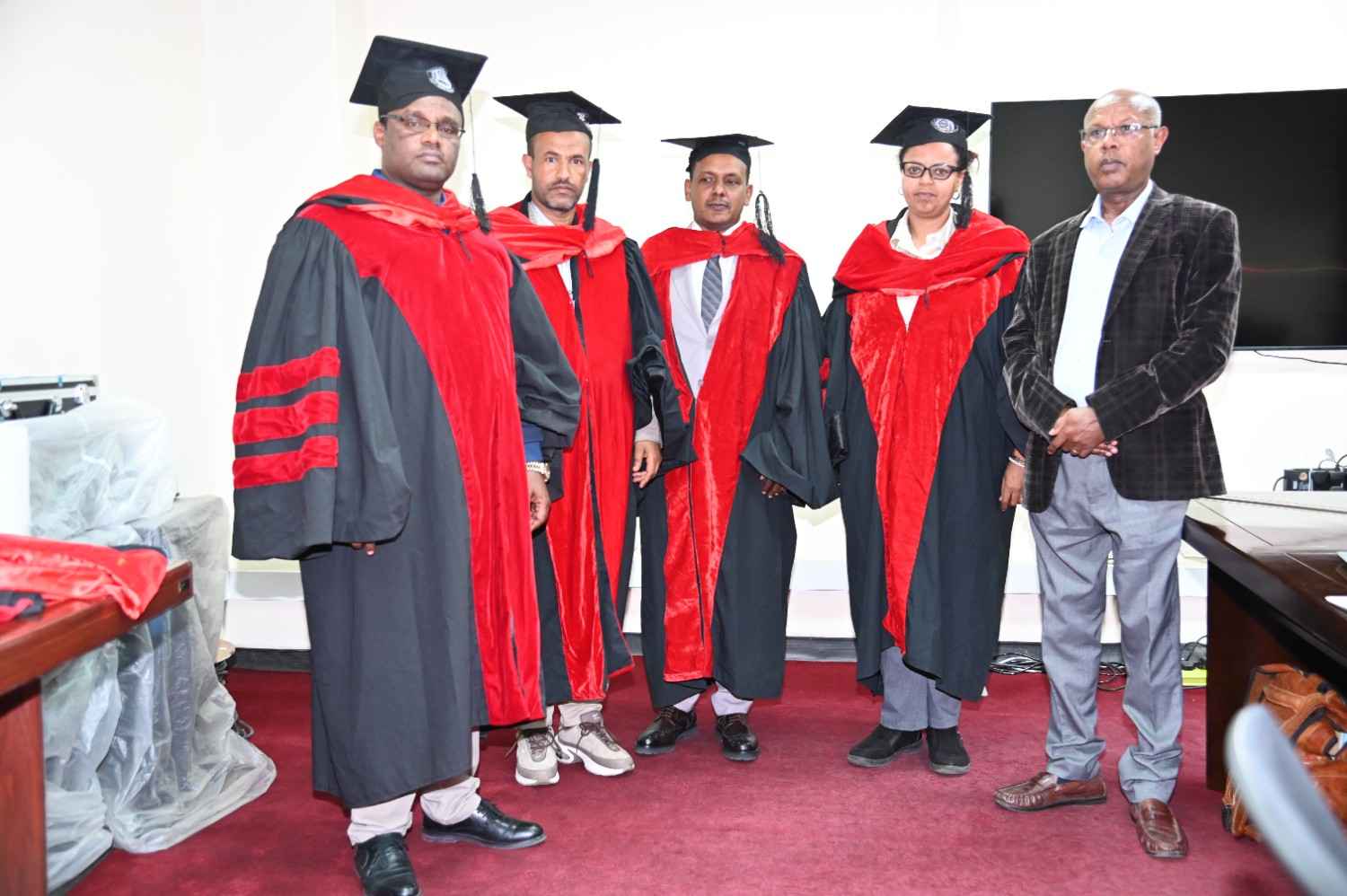
A PhD candidate at the Africa Center of Excellence for Water Management, Etsub Brhanesilassie successfully defended his doctoral dissertation.
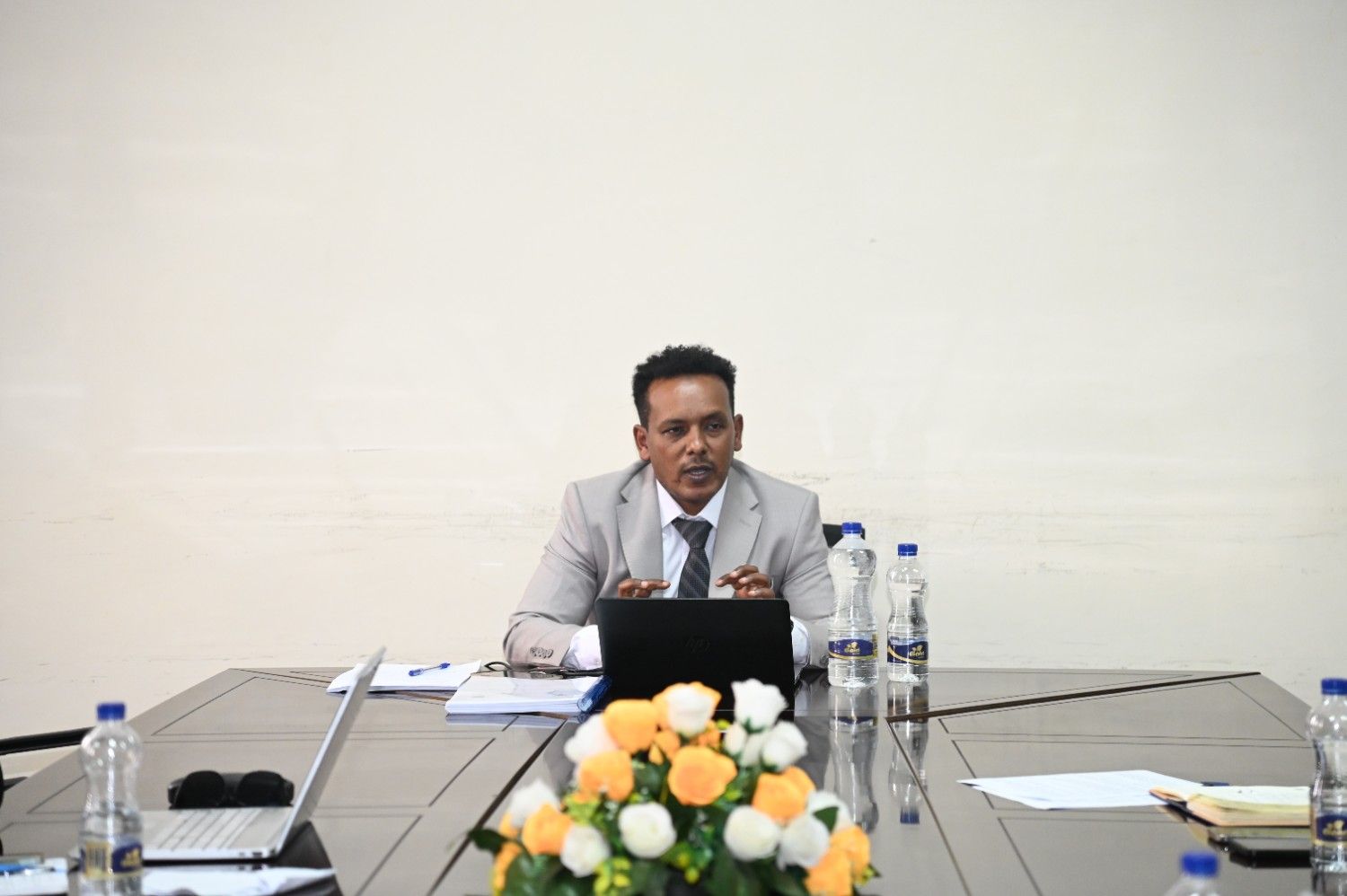
A major milestone in public health research has been achieved in Addis Ababa, as a doctoral candidate from the Africa Center of Excellence for Water Management successfully defended his dissertation examining the hidden risks within hospital water systems.
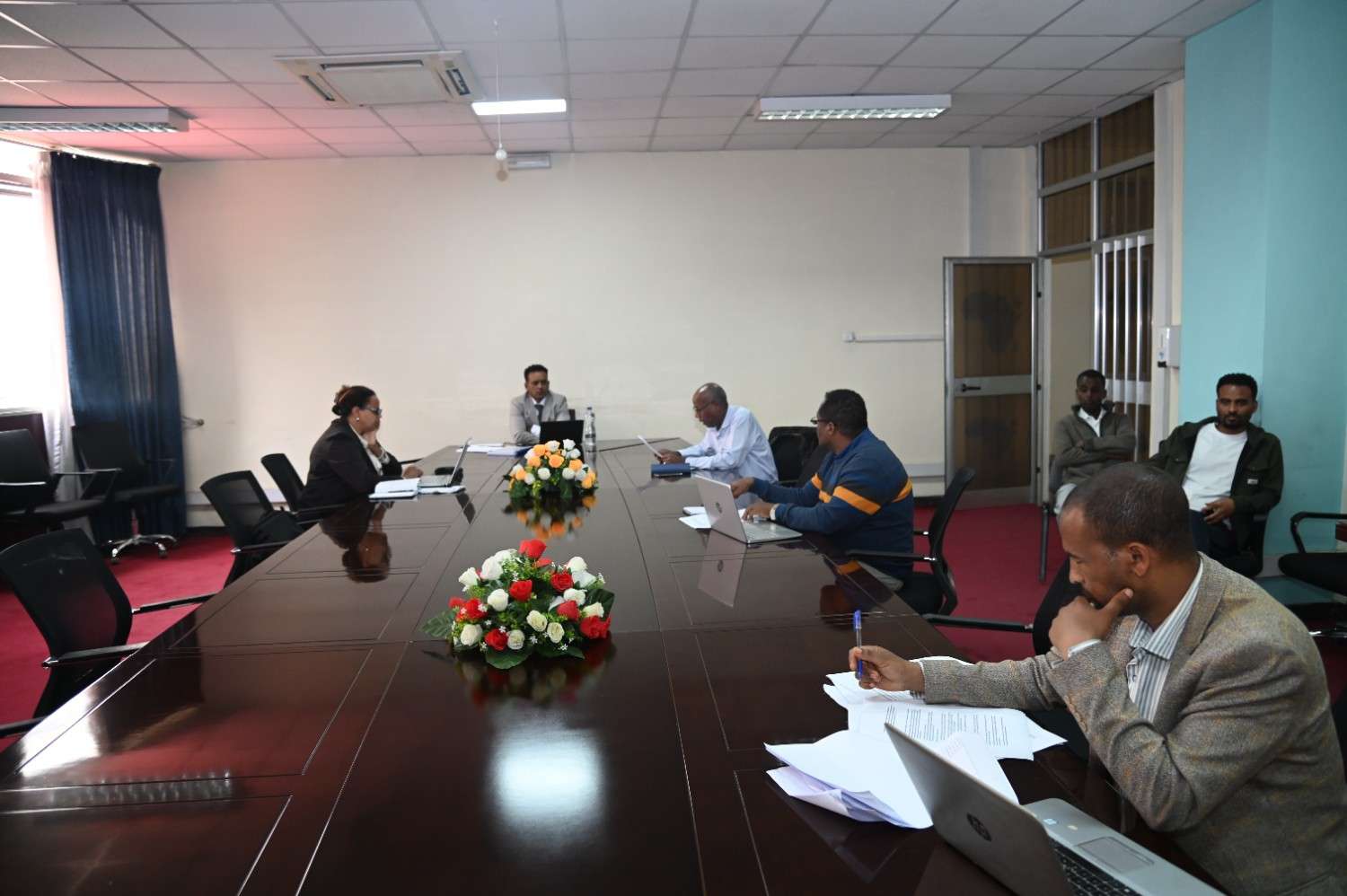
Etsub Brhanesilassie, a PhD candidate at the center, presented and defended his research titled “Hospital Water System as a Source of Waterborne Pneumonia: An Investigation of Pathogen Prevalence, Water Management Practices, and Clinical Awareness in Selected Hospitals of Addis Ababa.” The study sheds new light on how hospital water infrastructure may contribute to the spread of pneumonia-causing pathogens—an area often overlooked in infection control strategies.
The research offers a comprehensive assessment of pathogen prevalence in hospital water systems, evaluates existing water management practices, and examines the level of clinical awareness among healthcare professionals. Its findings are expected to have significant implications for hospital safety protocols and public health policies, particularly in rapidly growing urban centers like Addis Ababa.
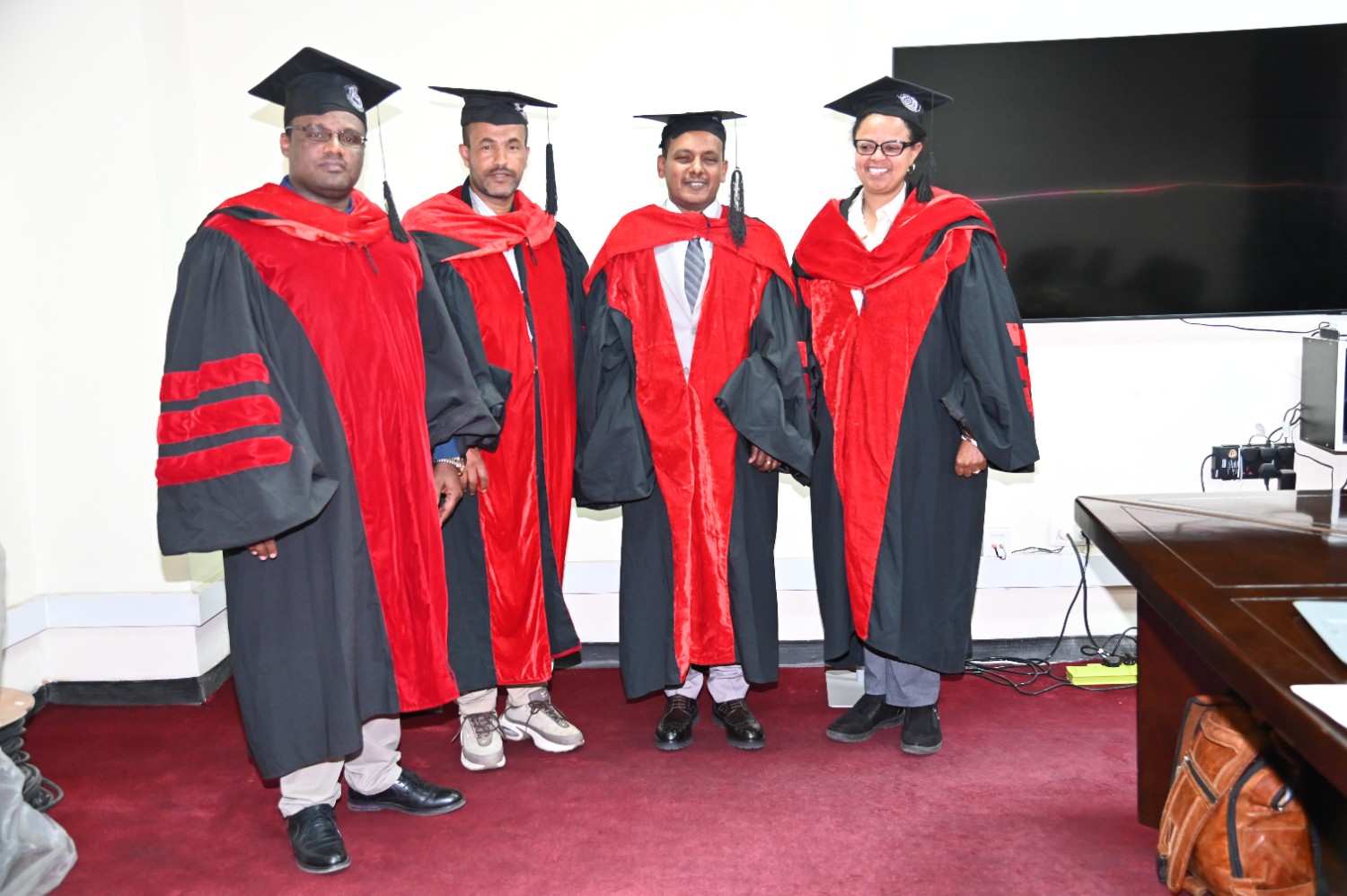
The dissertation was led under the primary supervision of Dr. Adey Feleke of Addis Ababa University, alongside co-supervisors Dr. Sirak Robele, Dr. Girma Taye, and Dr. Wondwossen Amogne, all affiliated with the same institution. Their collective expertise guided the research through its rigorous academic journey.
The defense session was chaired by Prof. Feleke Zewge, also of Addis Ababa University, ensuring a thorough and scholarly evaluation process. The examination panel included Dr. Andualem Mekonnen (internal examiner) from Addis Ababa University and Dr. Mesfin Tafesse (external examiner) from Addis Ababa Science and Technology University.
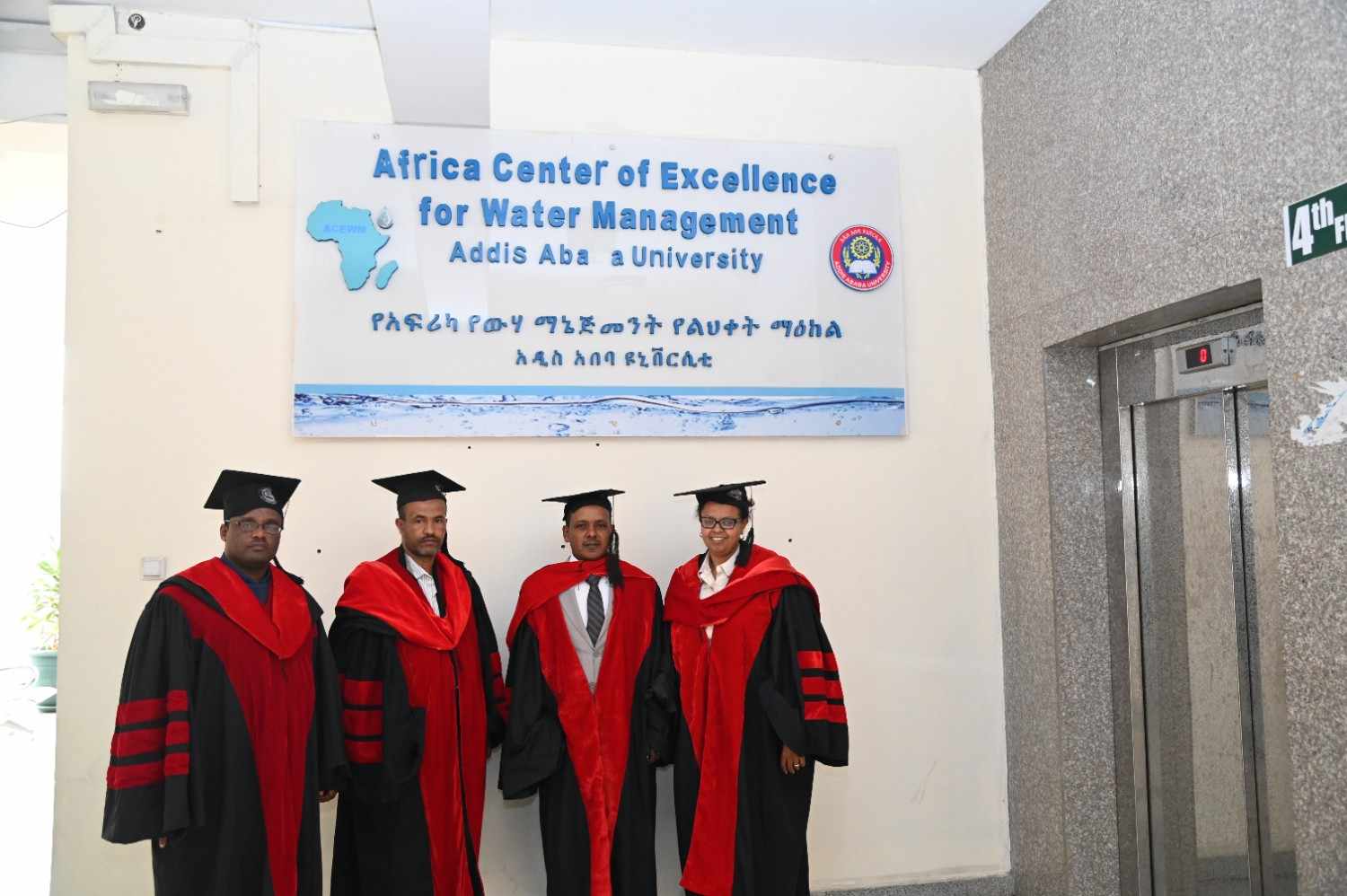
This successful defense marks not only an academic achievement for Etsub Brhanesilassie but also a meaningful contribution to the fields of water management and healthcare safety. The research is poised to inform future interventions aimed at reducing hospital-acquired infections and improving patient outcomes across Ethiopia and beyond.
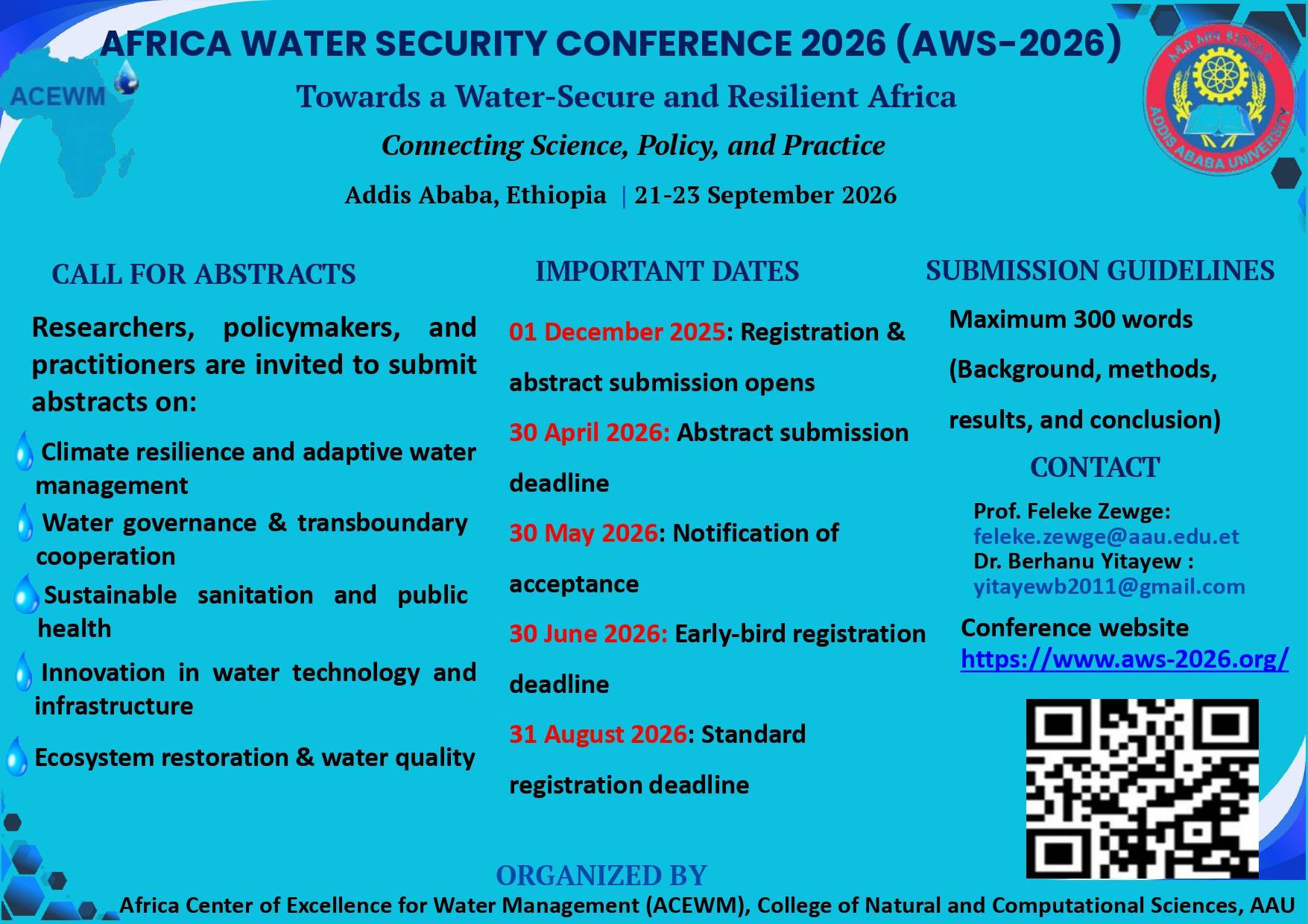
Africa Water Security Conference (AWS-2026): Towards a Water-Secure and Resilient Africa Flyer
A PhD candidate at the Africa Center of Excellence for Water Management, Mathewos Hailu Worku, has successfully defended his doctoral dissertation
A PhD candidate at the Africa Center of Excellence for Water Management, Mathewos Hailu Worku, has successfully defended his doctoral dissertation, marking an important academic milestone and contributing valuable research to the field of environmental science.
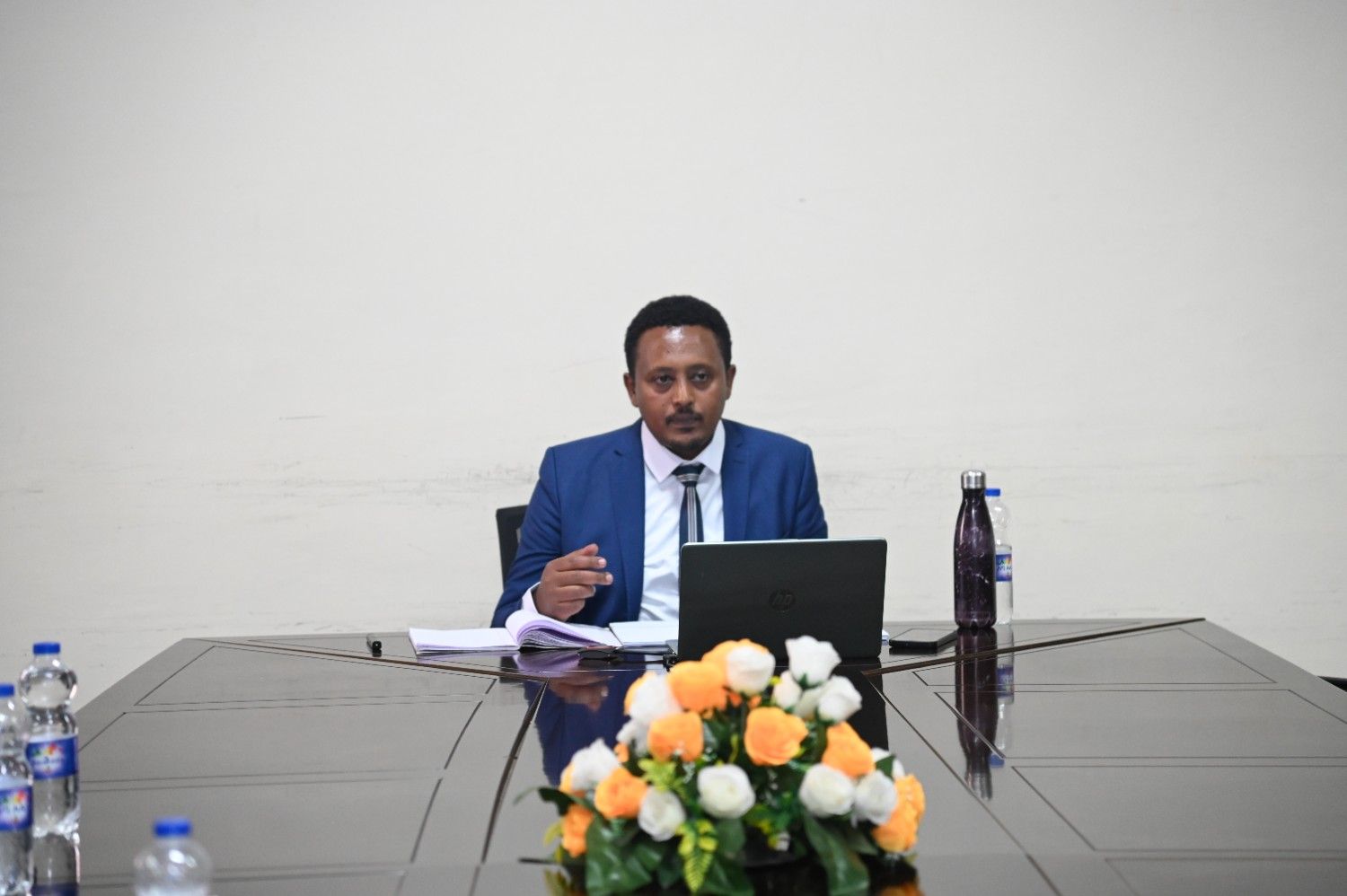
His dissertation, titled “Microplastic Pollution in Ethiopian Rift Valley Lakes: Catchment Drivers to Food Web Function,” investigates the growing challenge of microplastic contamination in the Rift Valley lake ecosystems and examines how catchment-level drivers influence aquatic food web dynamics.
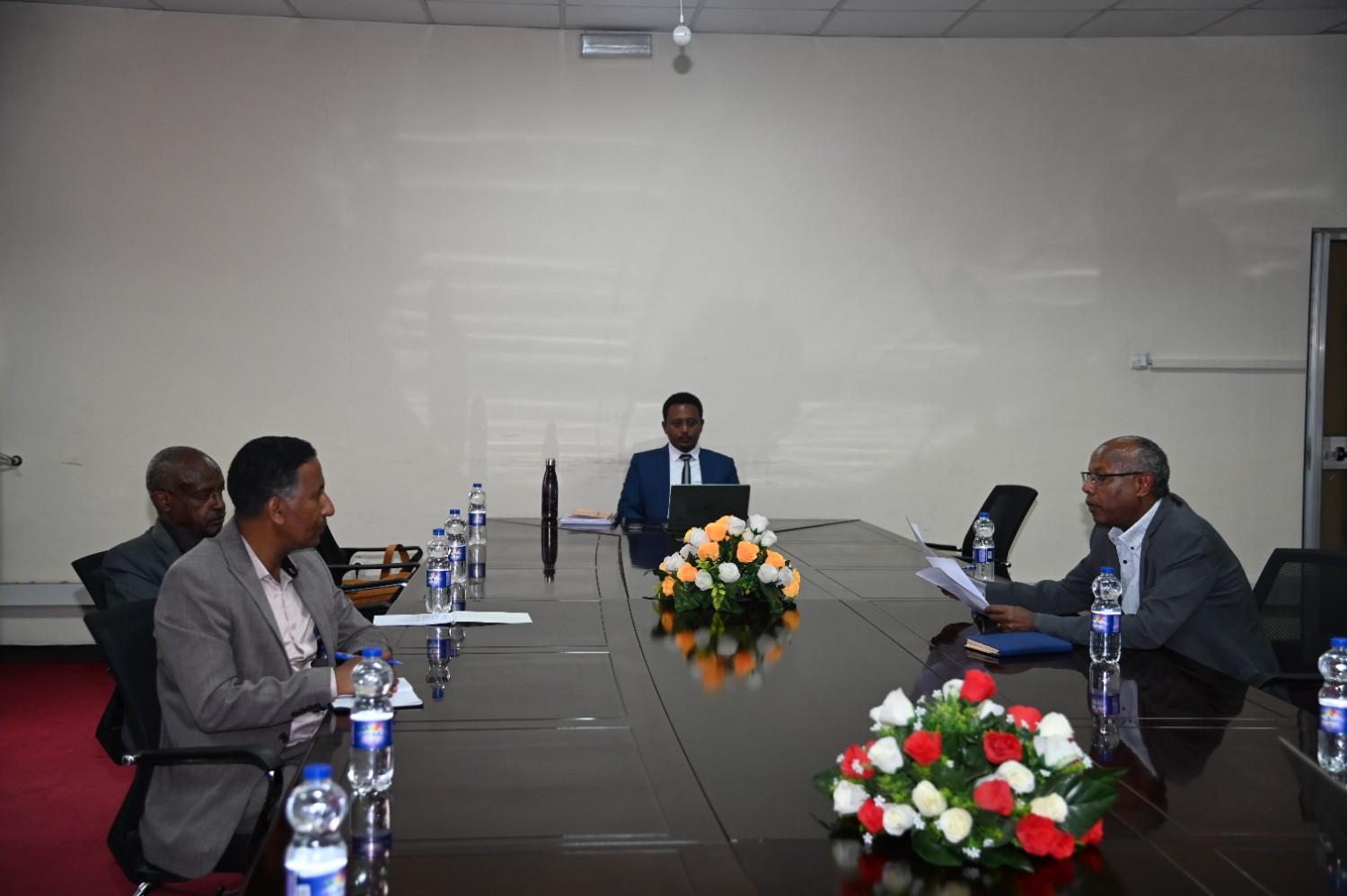
The research was primarily supervised by Prof. Tadesse Fetahi of Addis Ababa University, with co-supervision from Prof. Seyoum Mengistu, also of Addis Ababa University.
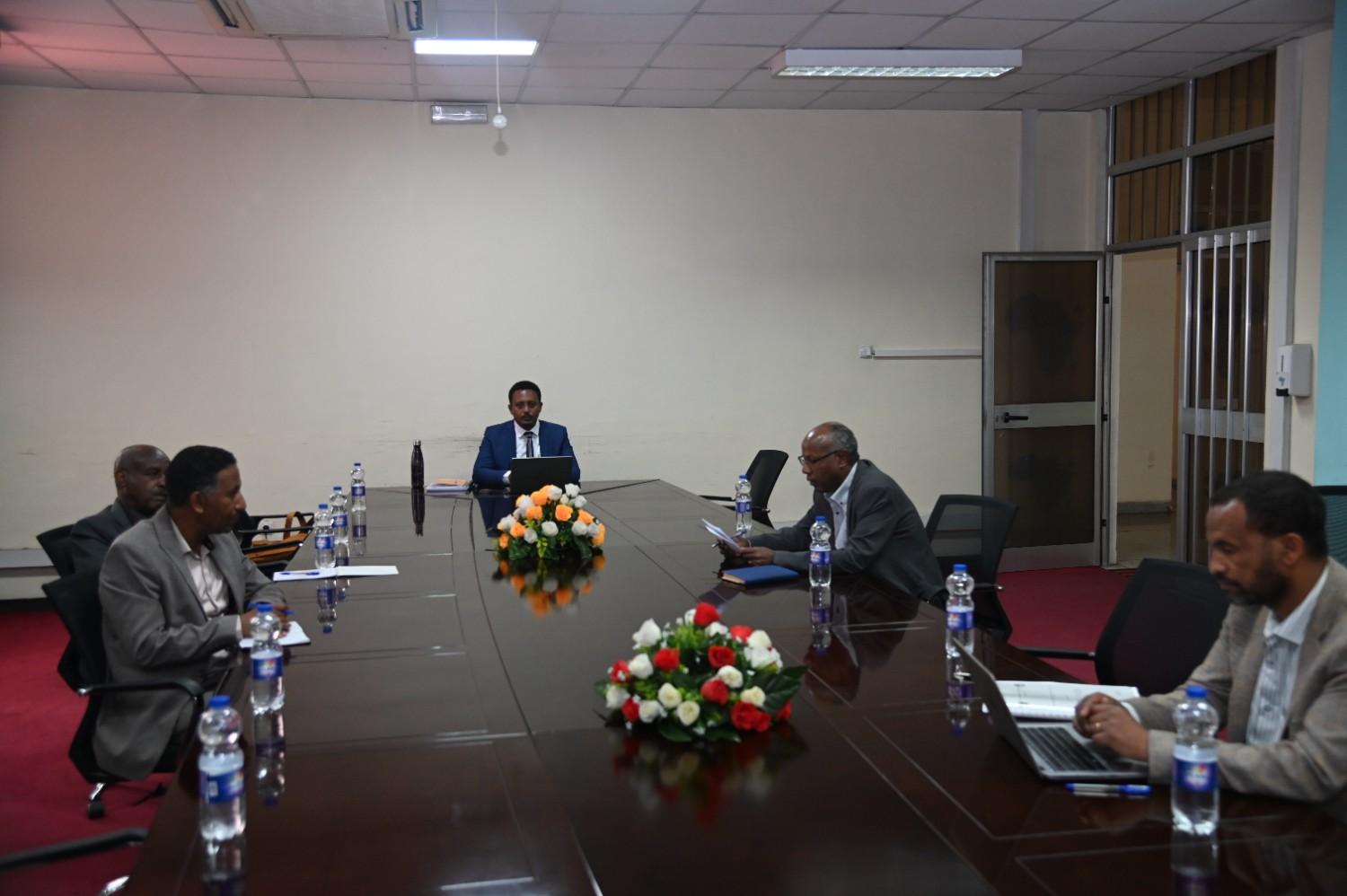
The defense session was chaired by Prof. Feleke Zewge from Addis Ababa University. Dr. Andualem Mekonnen of Addis Ababa University served as the internal examiner, while Prof. Zinabu Gebremariam from Hawassa University participated as the external examiner.
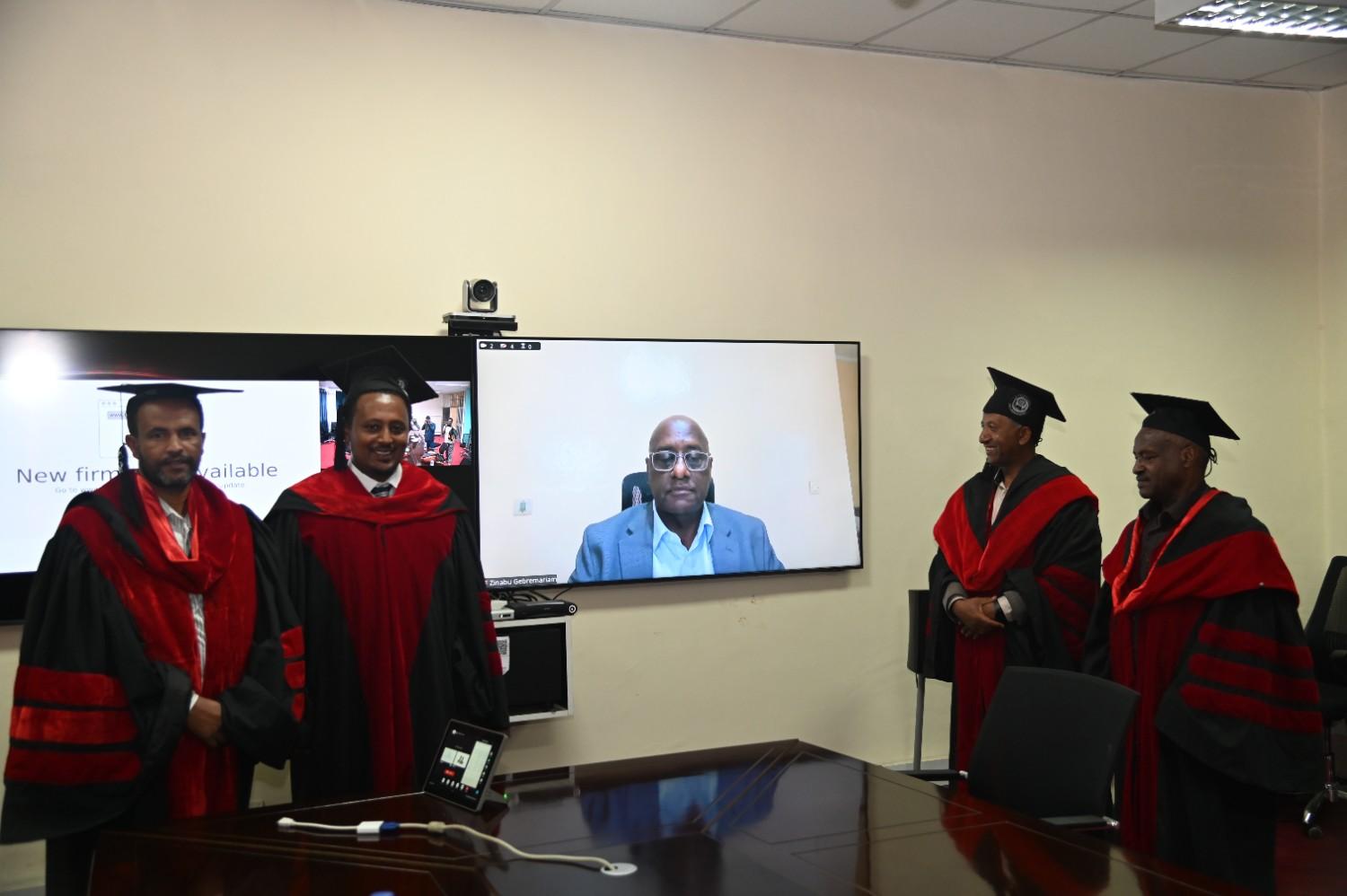
The successful defense highlights the growing body of research addressing environmental challenges in Ethiopia’s Rift Valley lake systems and underscores the role of academic institutions in advancing knowledge on emerging pollutants such as micro plastics.
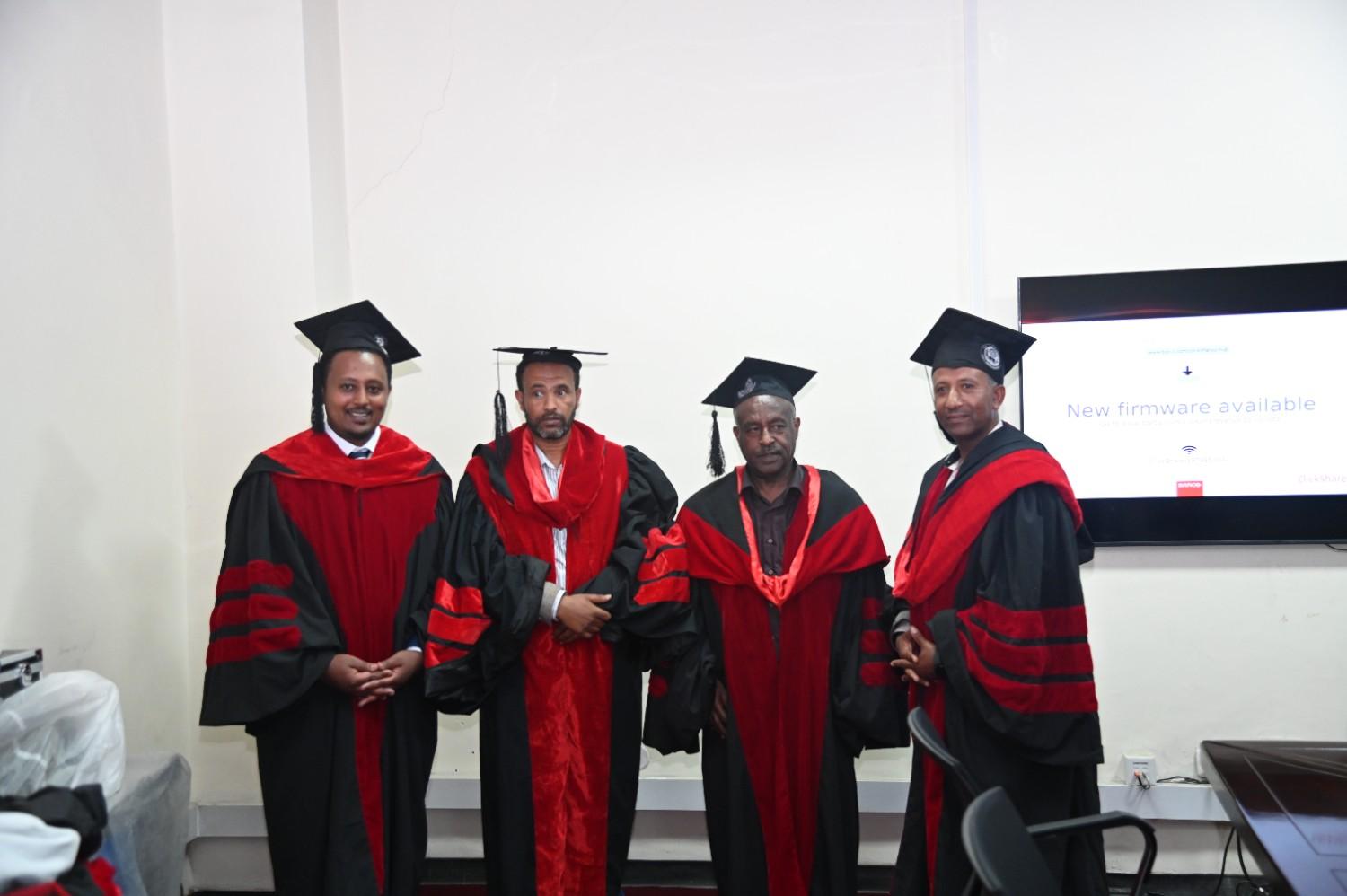
A PhD candidate at the Africa Center of Excellence for Water Management, Yosef Abebe Yimer, has successfully defended his doctoral dissertation
A major academic milestone has been achieved at the Africa Center of Excellence for Water Management as PhD candidate Yosef Abebe Yimer successfully defended his doctoral dissertation, marking a significant contribution to water quality research in Ethiopia.
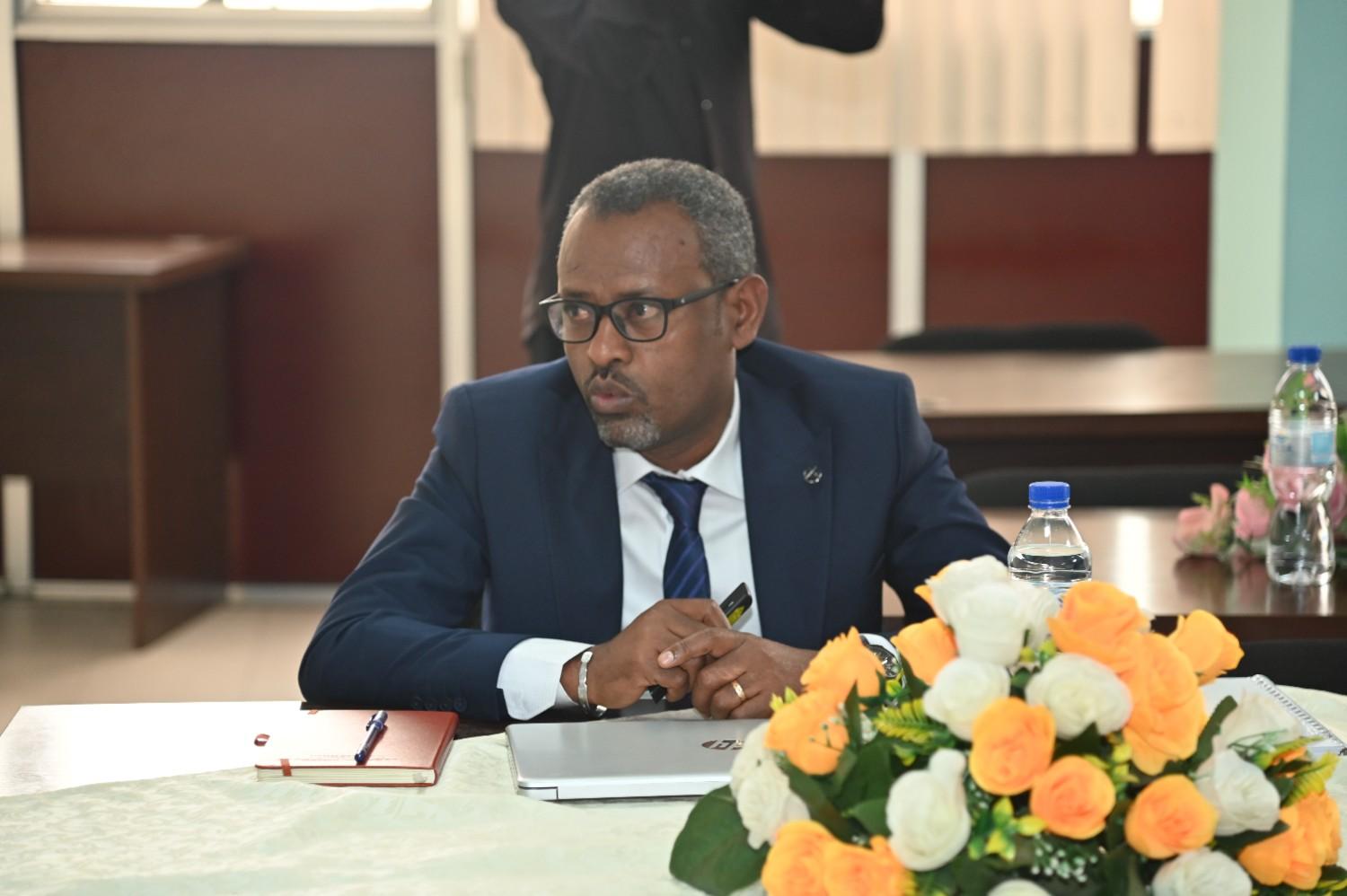
Yosef’s dissertation, titled “Origins, Pollutions, and Consequences of Heavy Metals in Awash Basin, Ethiopia: As (III) and Mo (VI) Adsorptive Removal Technology and Optimization,” addresses one of the most pressing environmental and public health challenges facing the country—heavy metal contamination in water resources. His research provides an in-depth investigation into the sources and impacts of arsenic (As III) and molybdenum (Mo VI) contamination in the Awash Basin, while also developing and optimizing innovative adsorptive removal technologies to mitigate these pollutants.
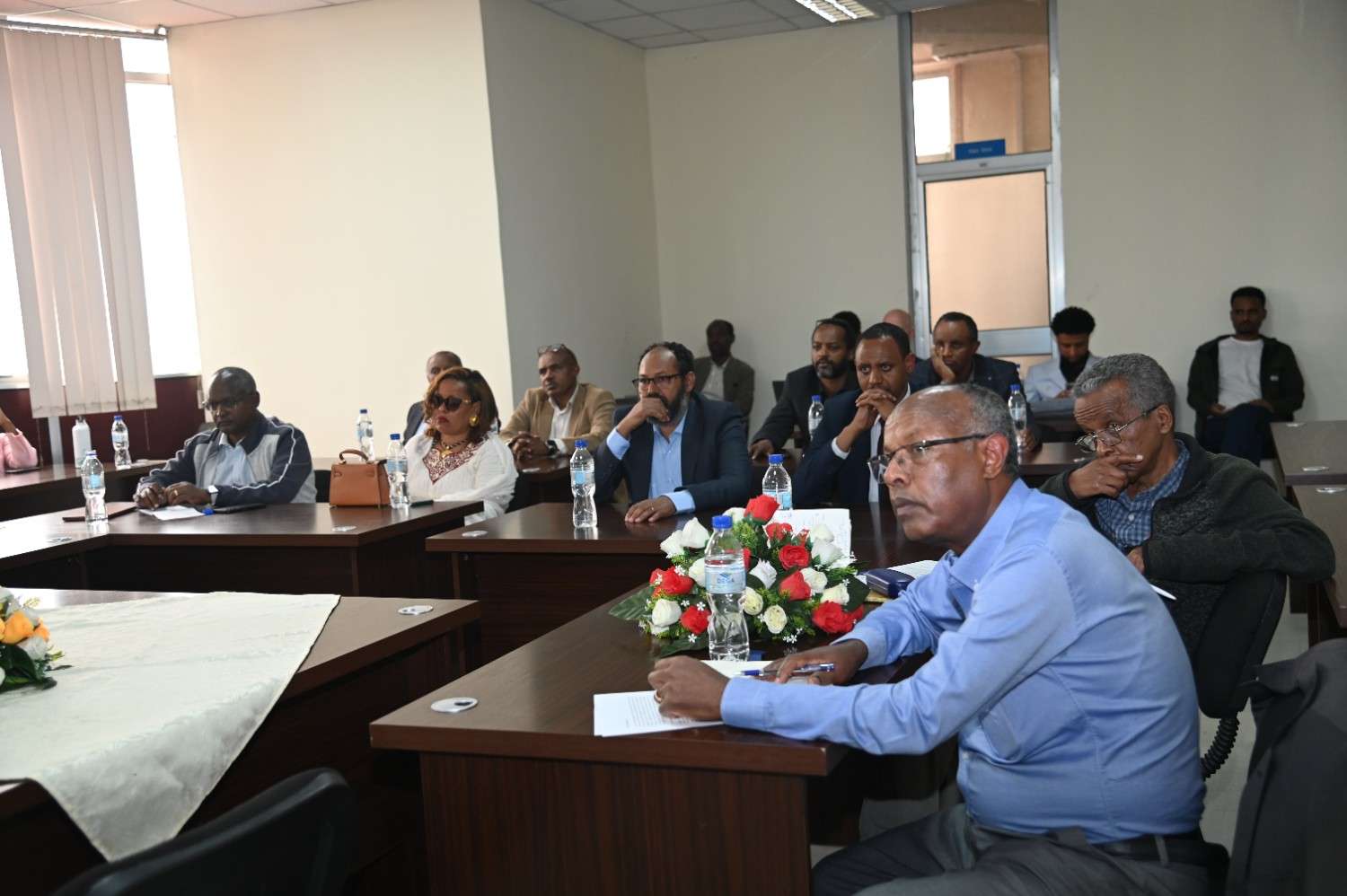
The study offers critical scientific insights into the environmental behavior of heavy metals and proposes practical treatment solutions aimed at improving water safety and sustainability in the Awash Basin and beyond. The findings are expected to support policymakers, water resource managers, and environmental protection agencies in strengthening water management strategies across Ethiopia.
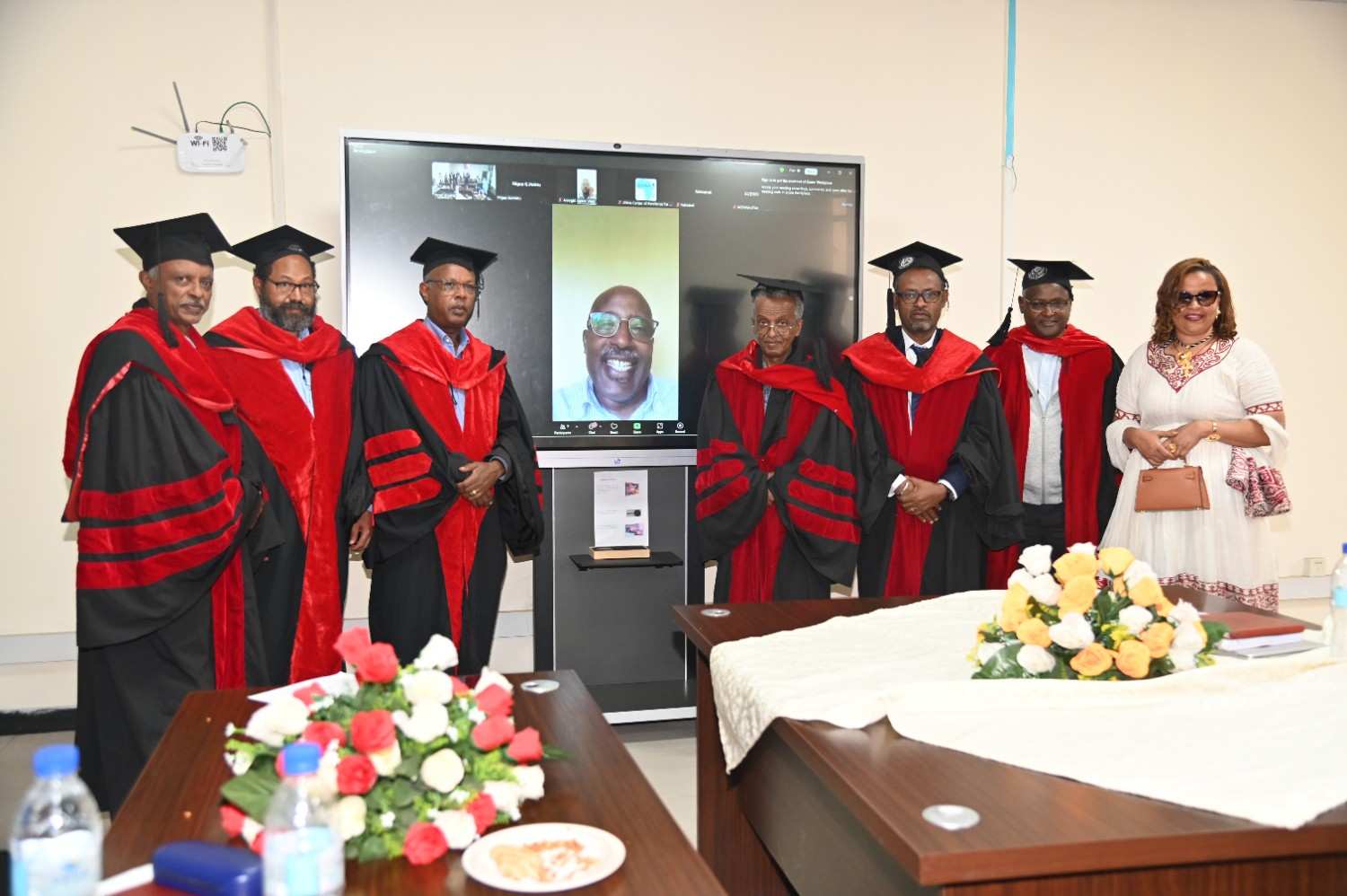
The dissertation was primarily supervised by Prof. Dr.-Ing. Esayas Alemayehu of Jimma University, with co-supervision from Dr. Tena Alamirew of Addis Ababa University.
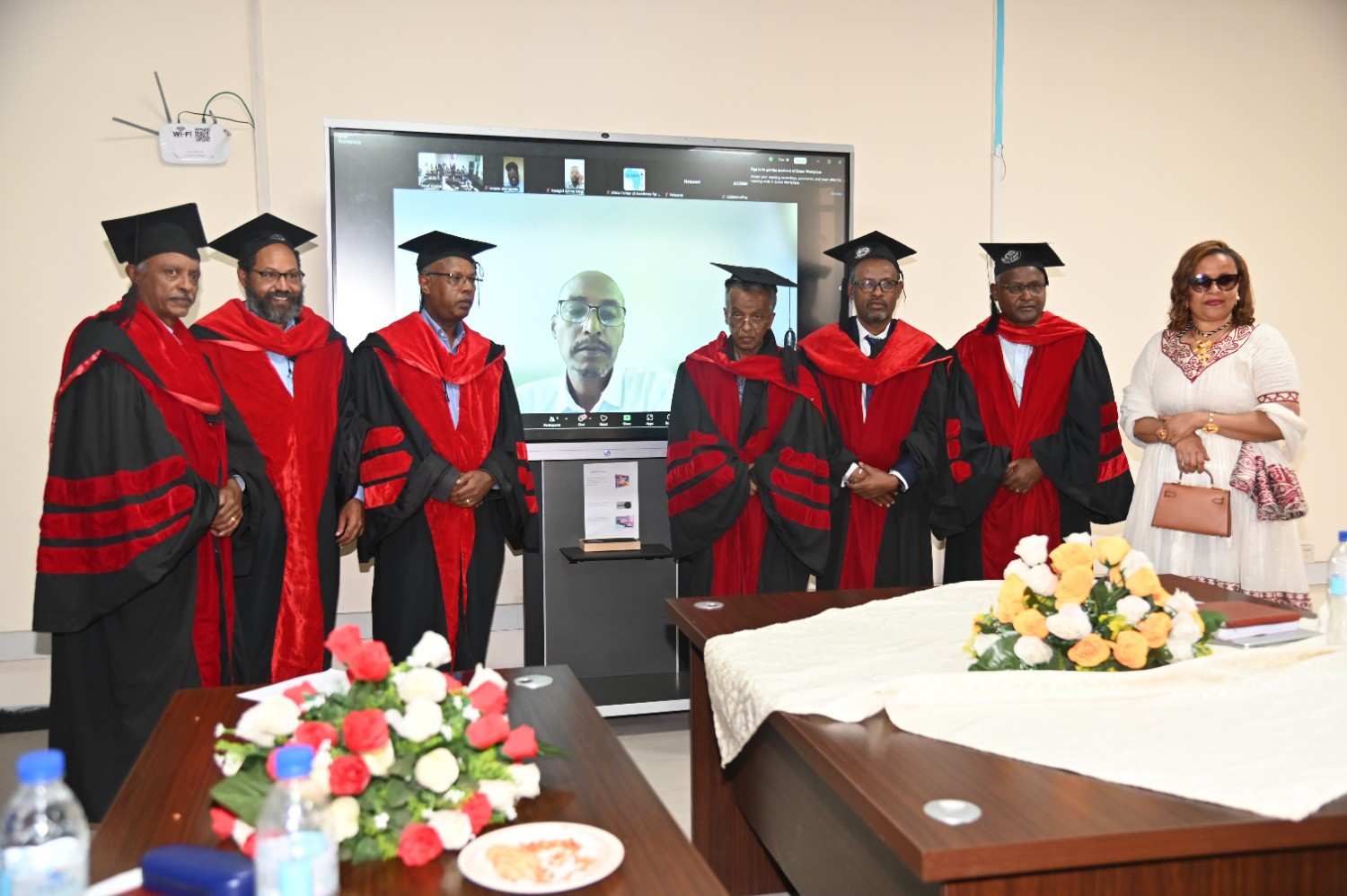
The defense session was chaired by Prof. Feleke Zewge of Addis Ababa University. The examination committee included Prof. Yonas Chebude of Addis Ababa University as internal examiner and Prof. Nigus Gabbiye of Bahir Dar University as external examiner.
Faculty members and attendees commended Yosef for the scientific rigor, practical relevance, and policy implications of his research. His achievement not only reflects personal academic excellence but also reinforces the Africa Center of Excellence for Water Management’s commitment to advancing research that addresses critical water and environmental challenges in Ethiopia and the region.