
Africa Center of Excellence for Water Management through the Doctoral Alliance for Climate Adaptation Organize Genale ZAPI Solidarity School Workshop on Climate Change Adaptation in the Genale-Dawa Basin
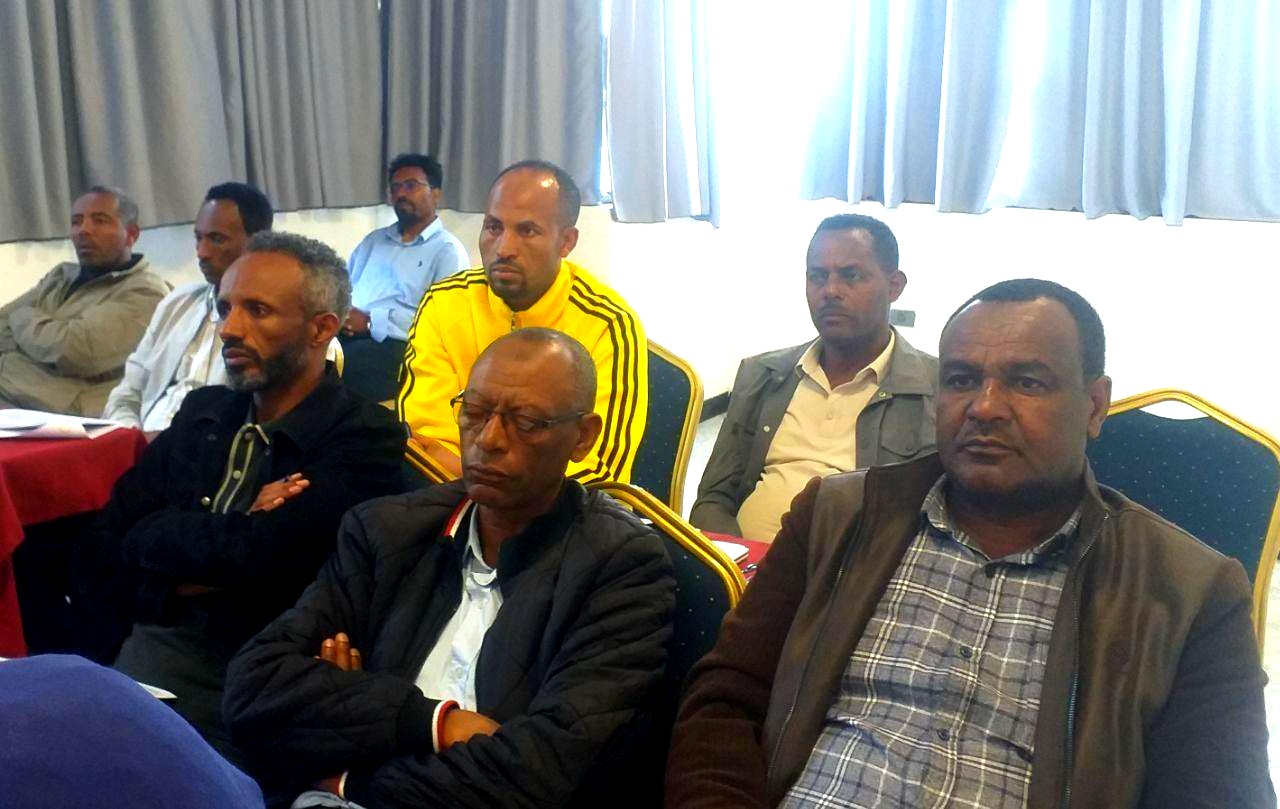
The Africa Center of Excellence for Water Management (ACEWM) at Addis Ababa University, through the Doctoral Alliance for Climate Adaptation (ADAC), organized a three-day Genale ZAPI Solidarity School workshop on Climate Change Adaptation in Forested National Park Ecosystems of the Genale-Dawa Basin, Ethiopia, from 10 to 12 November 2026. Held at All Seasons Hotel in Bale Robe, the workshop brought together participants for thematic discussions, field-based learning, knowledge exchange, and collaborative solution development aimed at strengthening climate adaptation in the Bale eco-region.
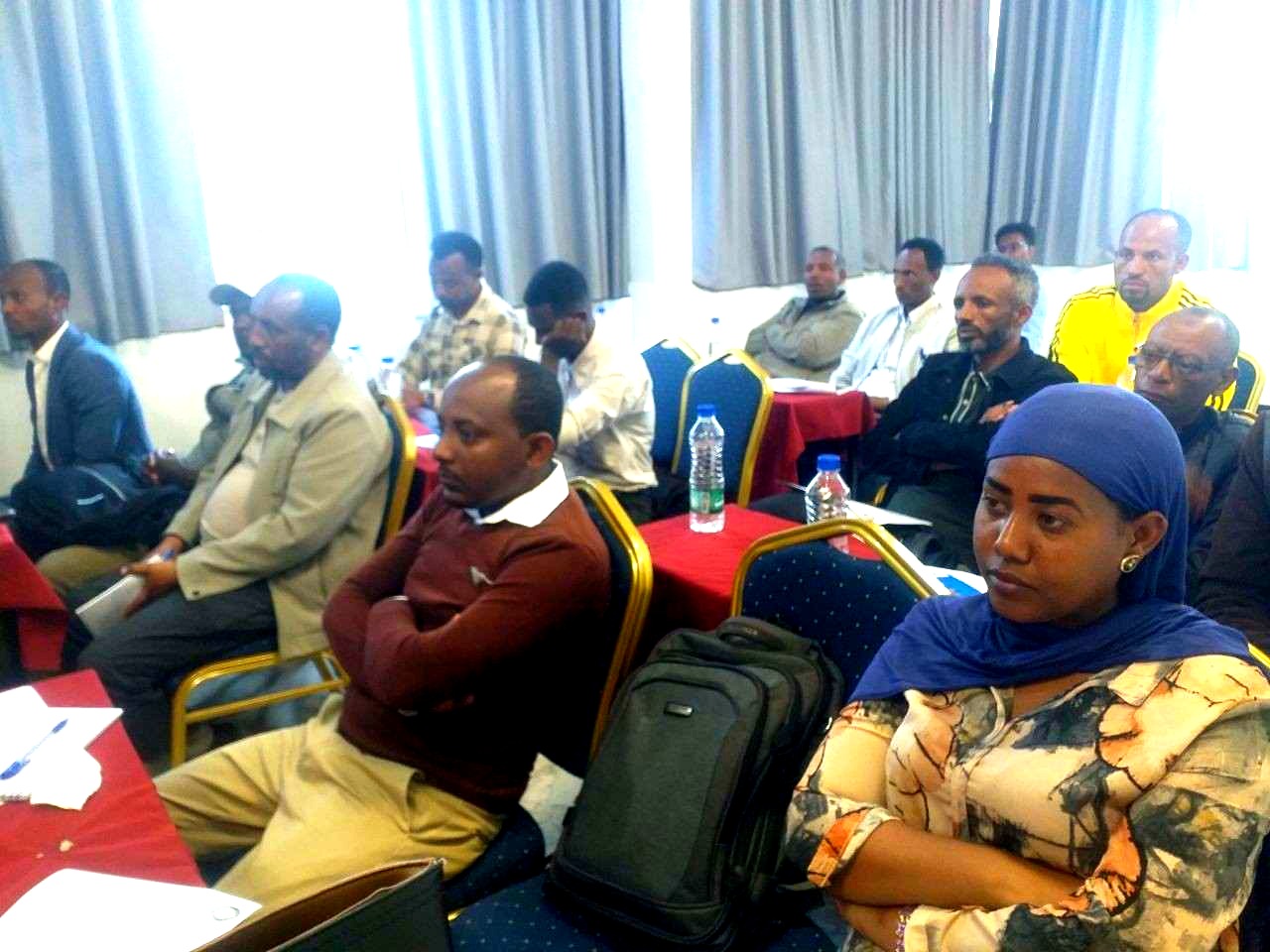
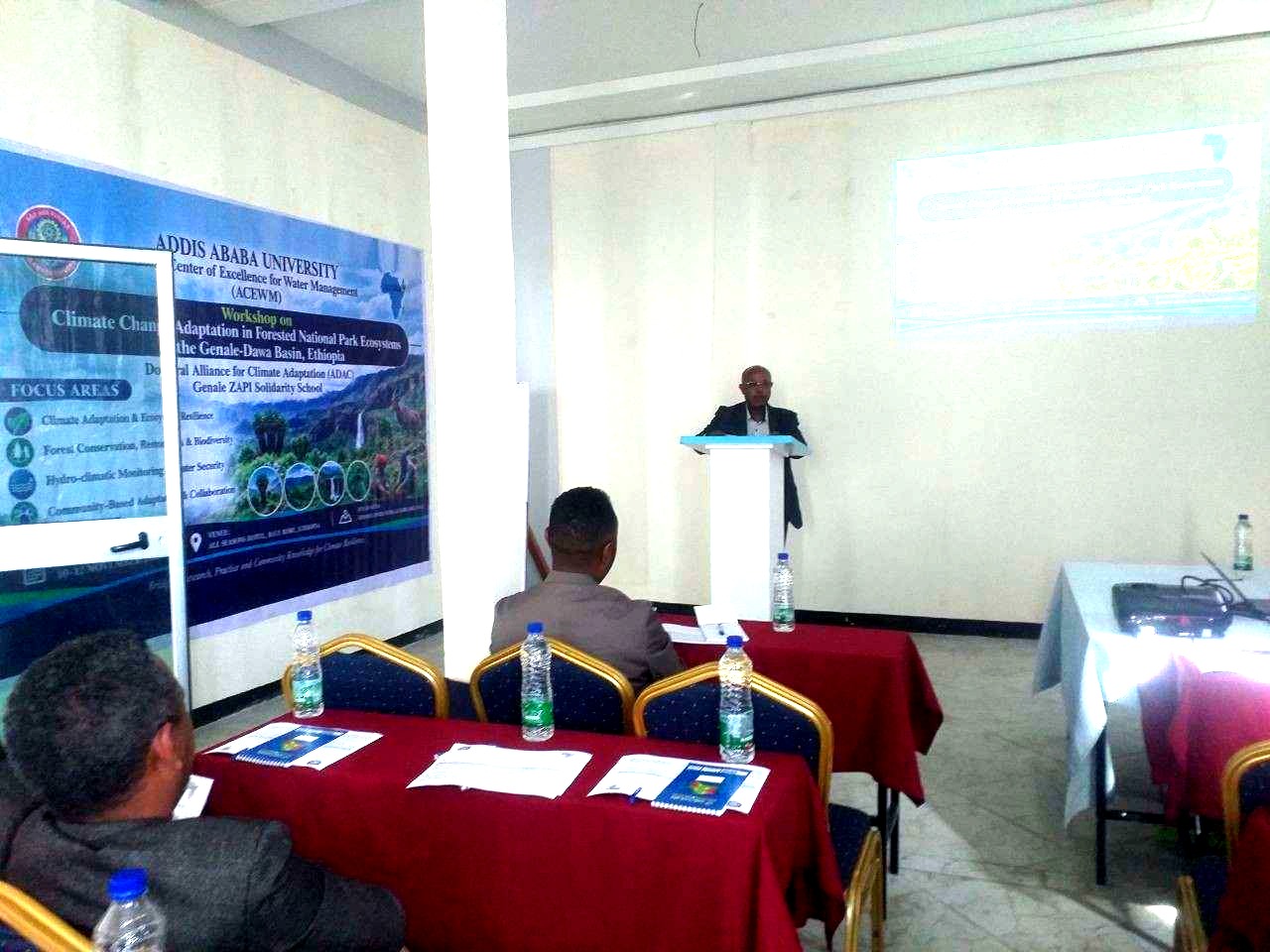
The workshop officially commenced on Tuesday, 10 November 2026, with welcoming and opening remarks delivered by Prof. Feleke Zewge, Director of the Africa Center of Excellence for Water Management. The first day focused on thematic learning and shared problem definition, providing a platform to contextualize the Genale ZAPI Solidarity School and build a common understanding of climate change adaptation challenges in the Bale eco-region. Participants engaged in discussions aimed at identifying key environmental and climate-related challenges and developing interdisciplinary questions to guide field investigations. Particular attention was given to understanding the interconnected relationships among climate change, water resources, biodiversity, forest ecosystems, and protected area management.
On Wednesday, 11 November 2026, participants took part in field-based learning activities in Dinsho District, focusing on the Hora Soba Micro-Catchment and the Dinsho area of Bale Mountains National Park (BMNP). The field visit emphasized knowledge exchange on hydro-climatic monitoring, water quality, biodiversity, and protected area management. Through direct engagement with the landscape, participants had the opportunity to relate the discussions and thematic knowledge developed during the first day to practical environmental conditions and climate adaptation challenges. The field activities also highlighted the importance of integrated approaches to monitoring and managing water resources, conserving biodiversity, and strengthening the resilience of protected ecosystems.
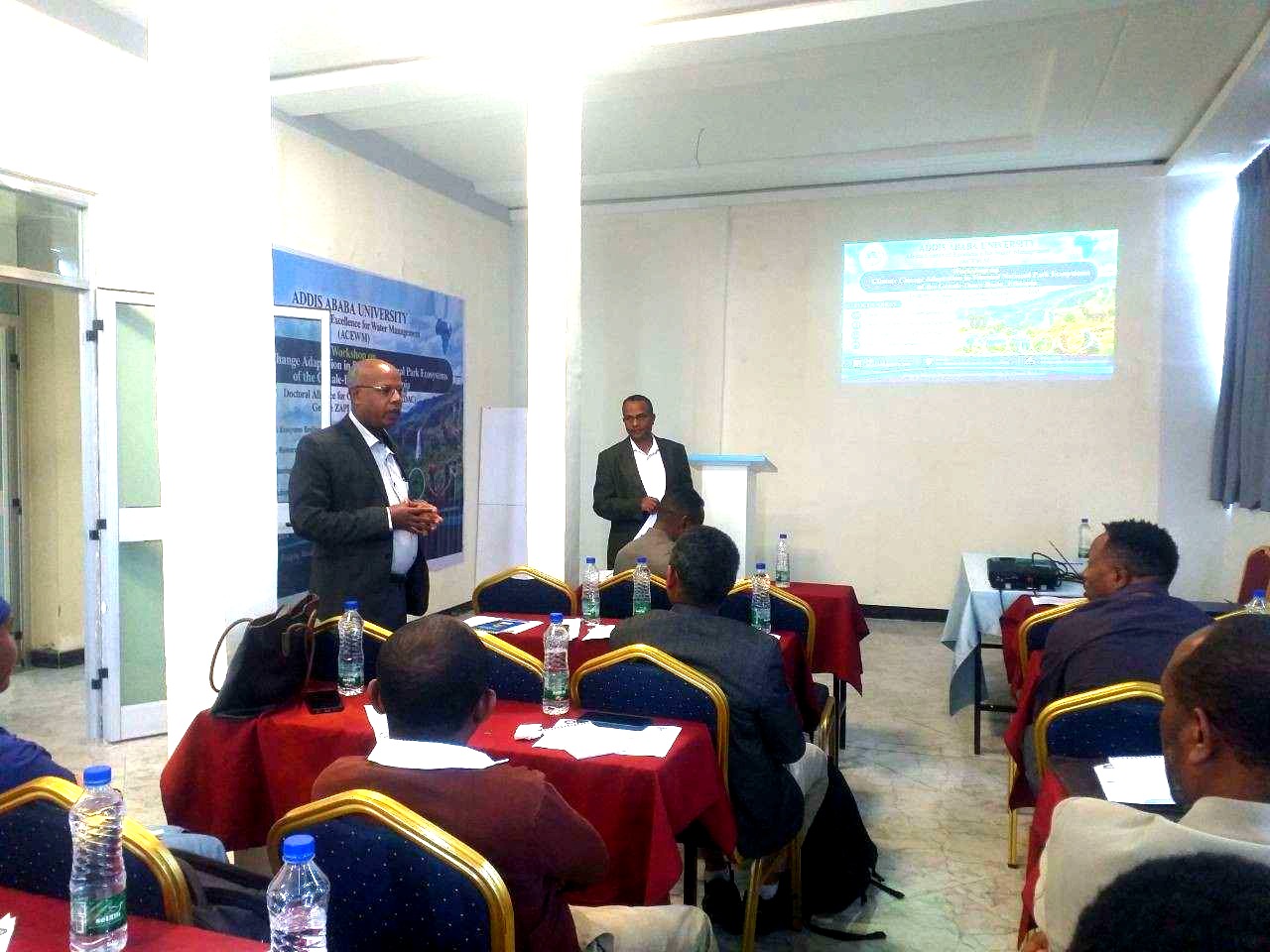
The final day of the workshop, Thursday, 12 November 2026, focused on further field learning, solution co-design, and identifying pathways for future collaboration. The activities took place in Goro District, Meliyou Kebele, where participants explored community-led landscape restoration initiatives and local climate adaptation practices. The field engagement provided opportunities to learn from community experiences and understand how locally driven restoration efforts can contribute to ecosystem resilience and sustainable natural resource management. Building on the knowledge and insights gained throughout the workshop, participants discussed ways to translate field observations into practical adaptation actions and establish a Genale ZAPI Community of Practice to promote continued collaboration, knowledge sharing, and joint initiatives.
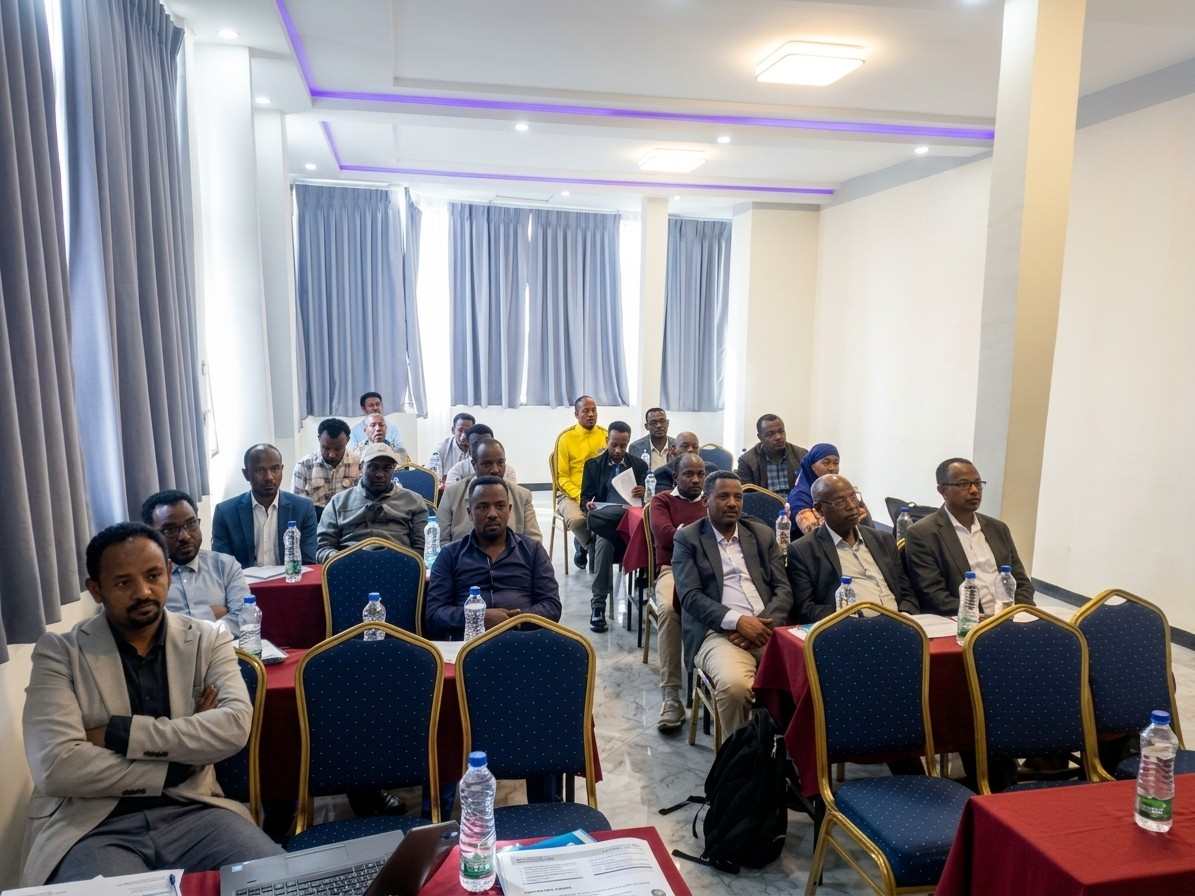
The workshop concluded with an evaluation session, during which participants reflected on the overall learning experience, discussed key takeaways, and identified next steps. The closing remarks were delivered by Prof. Feleke Zewge, Director of ACEWM, who brought the three-day workshop to a close.
Overall, the Genale ZAPI Solidarity School workshop provided an important platform for connecting academic knowledge, field-based evidence, and community experiences to address climate change adaptation challenges in the Genale-Dawa Basin. By combining thematic discussions, practical field engagement, and collaborative solution development, the workshop emphasized the importance of interdisciplinary research and community participation in strengthening climate resilience, conserving biodiversity, and promoting sustainable management of water and forest resources. The initiative to establish a Genale ZAPI Community of Practice marks an important step toward sustaining knowledge exchange and collaboration to advance climate adaptation and ecosystem resilience in the Bale eco-region and the wider Genale-Dawa Basin.