
ACEWM Hosts Distinguished Seminar on Sustaining Forest Resilience in a Changing World
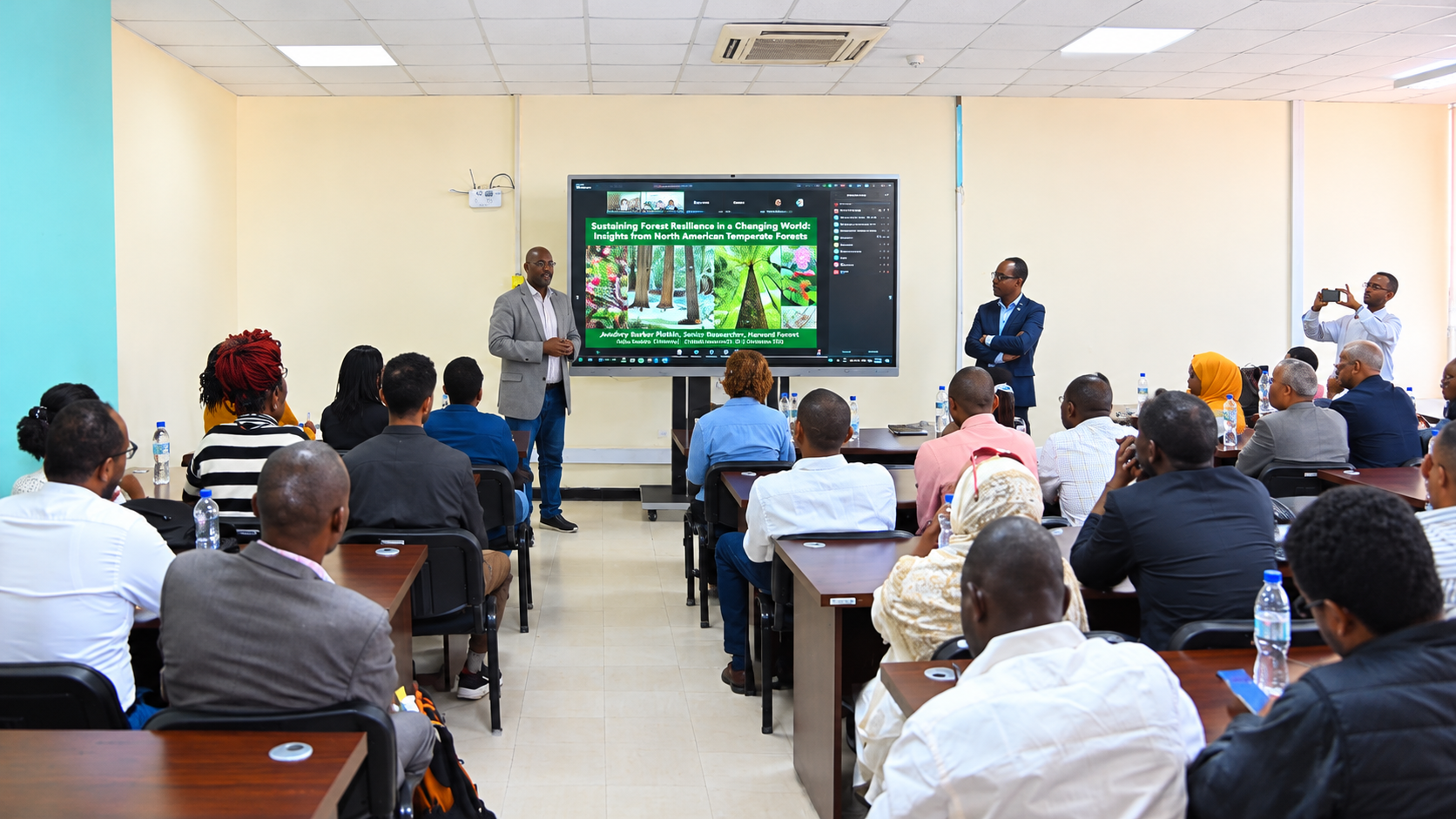
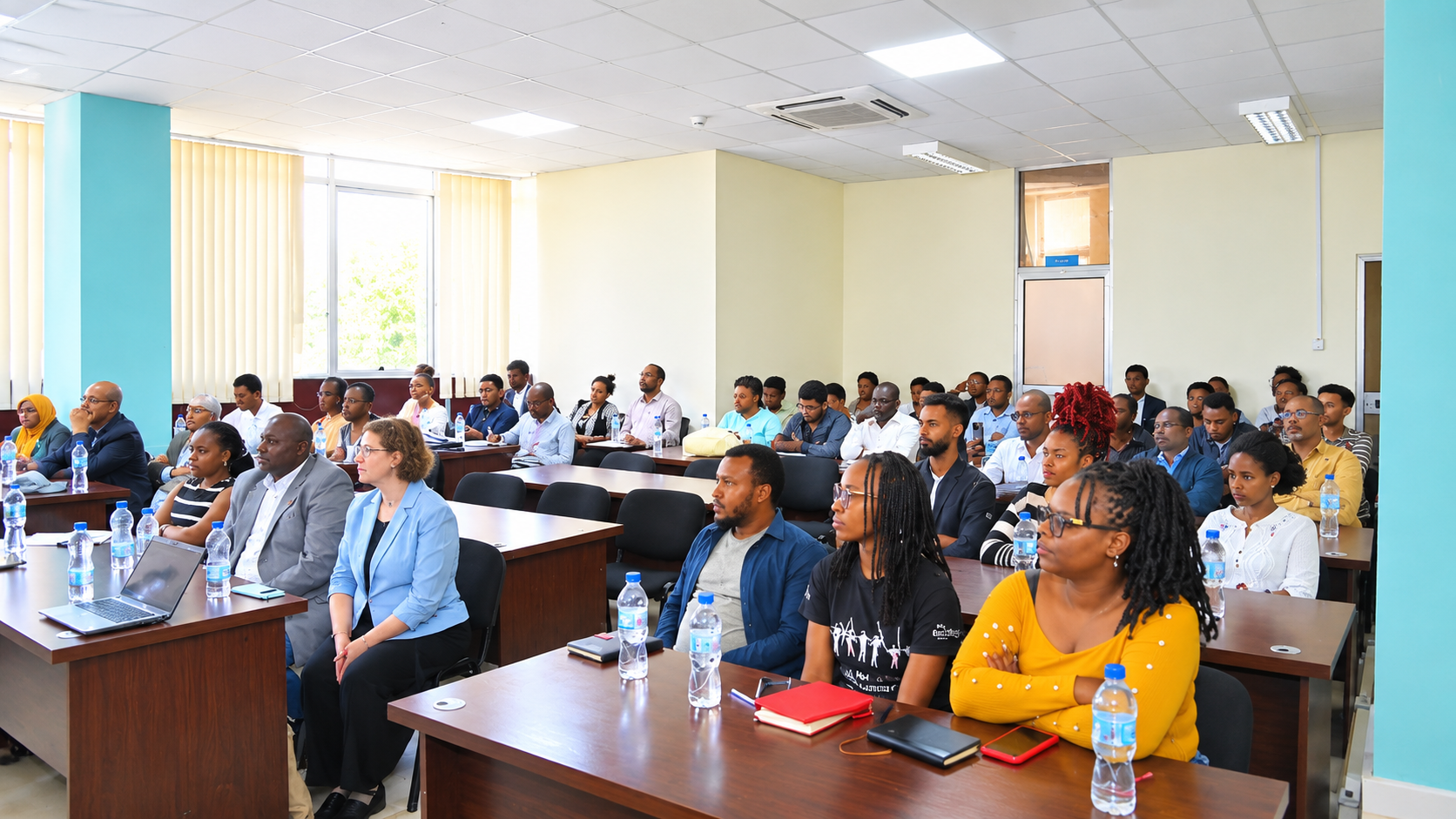
The Africa Center of Excellence for Water Management (ACEWM) at Addis Ababa University hosted a distinguished seminar titled “Sustaining Forest Resilience in a Changing World: Insights from North American Temperate Forests” on Friday, October 9, 2026.
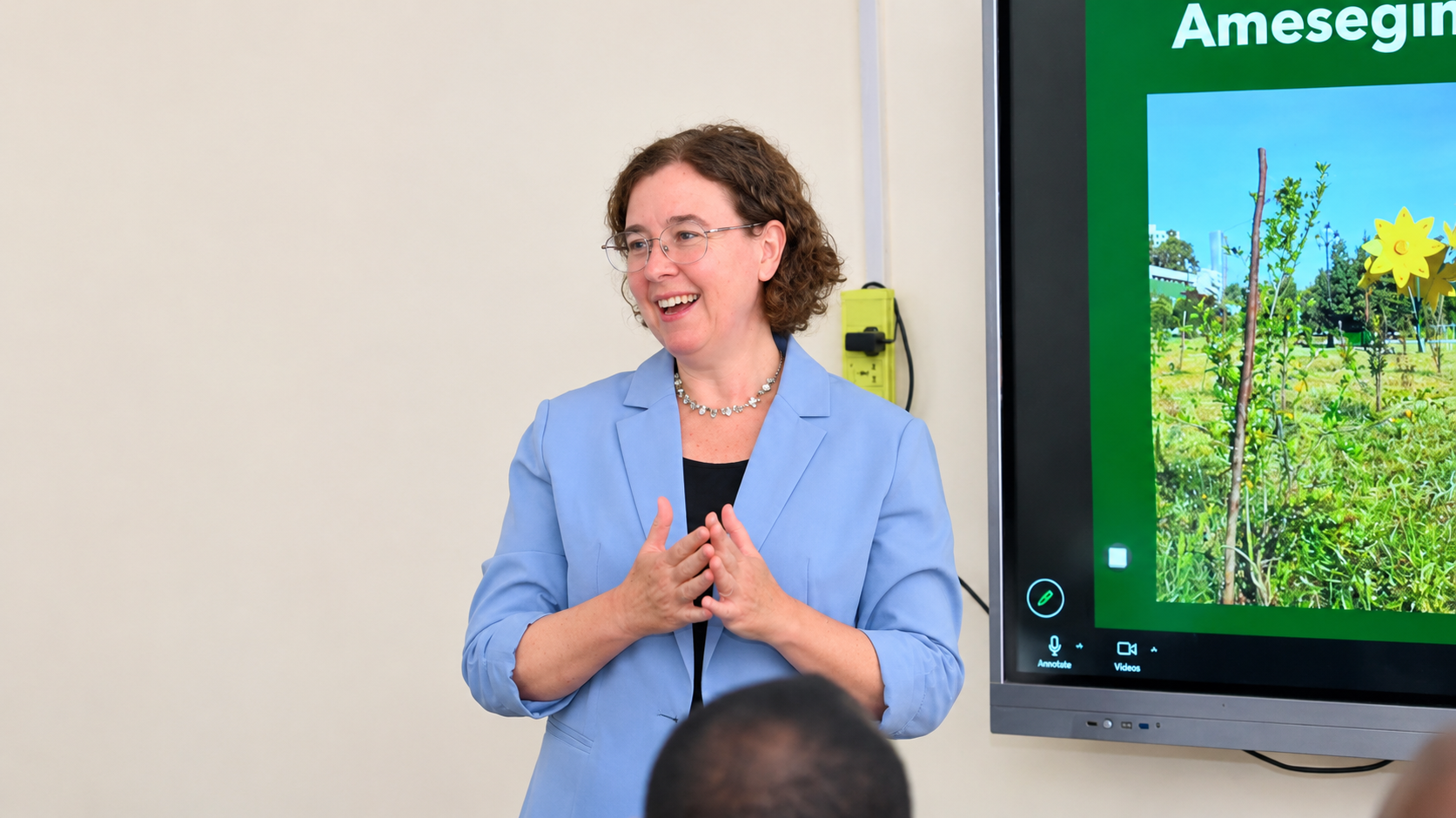
The seminar was delivered by Dr. Audrey Barker Plotkin, Senior Scientist and Site Manager at Harvard Forest, Harvard University. The seminar explored how temperate forests respond to environmental change and disturbances, highlighting scientific insights relevant to forest conservation, ecosystem recovery, and sustainable natural resource management.
In his welcoming remarks, Dr. Bikila Warkineh, Executive Dean of the College of Natural and Computational Sciences at Addis Ababa University, welcomed Dr. Audrey Barker Plotkin and the seminar participants. He emphasized the importance of academic seminars and international scientific collaboration in strengthening research capacity, encouraging knowledge exchange, and addressing pressing environmental challenges.
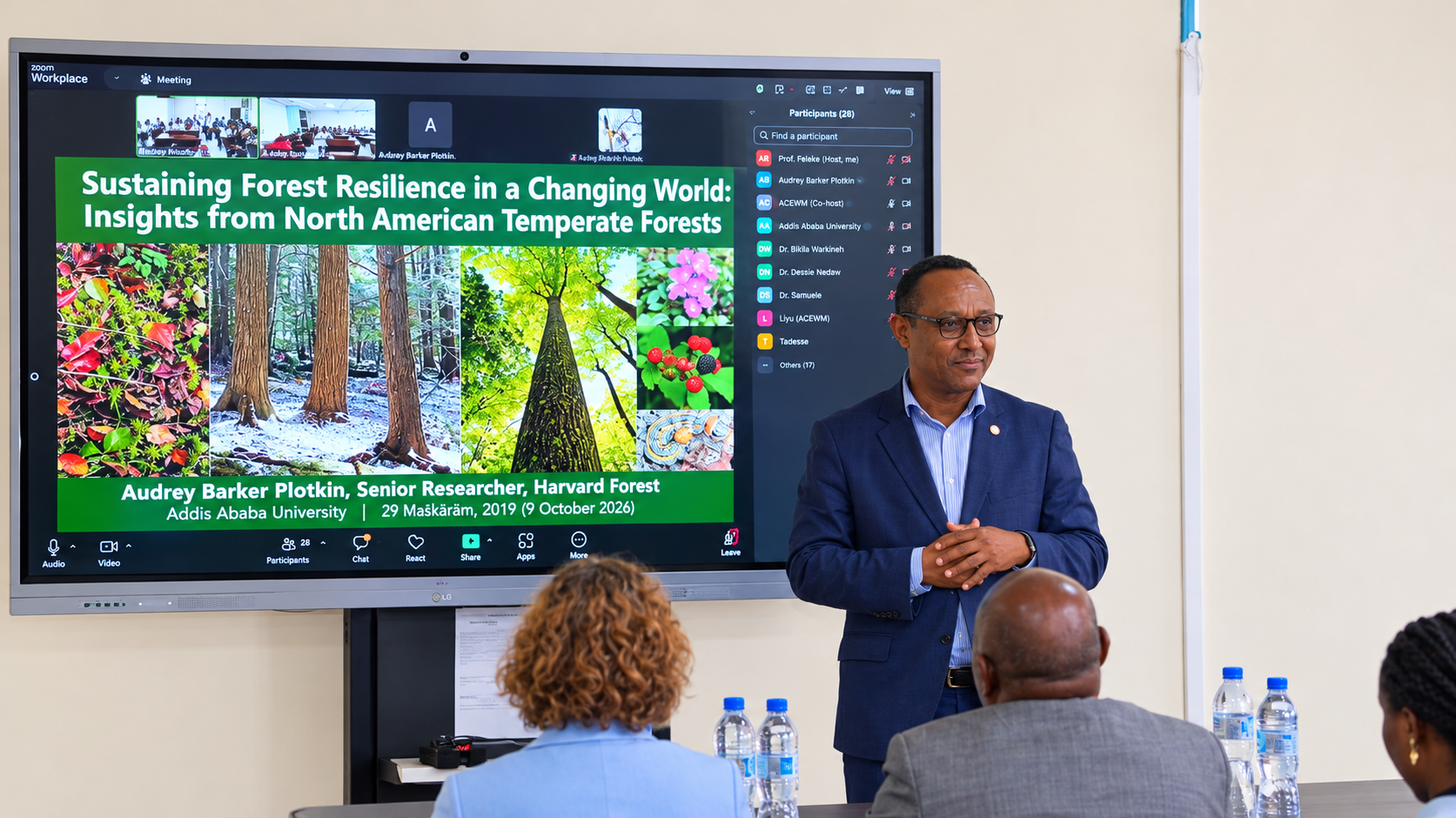
Dr. Bikila highlighted the relevance of forest resilience research to contemporary environmental concerns, particularly climate change, biodiversity conservation, ecosystem restoration, and sustainable natural resource management. He underscored the importance of connecting scientific research with practical solutions that support environmental sustainability and the responsible management of natural resources. He also encouraged participants to engage actively in the seminar and benefit from the presenter’s research experience and scientific insights.
Drawing on research themes associated with Harvard Forest, the presentation addressed the effects of climate variability, extreme weather events, invasive insect species, and changing land-use patterns on forest ecosystems. These factors can influence forest composition, biodiversity, regeneration, and the capacity of forests to maintain essential ecological functions.
A key area of interest in forest resilience research is how ecosystems recover following disturbances such as hurricanes and insect outbreaks. Long-term studies at Harvard Forest examine how surviving trees, fallen woody material, and changes in forest structure influence regeneration and ecosystem development. The research helps scientists understand why forest recovery varies across different conditions and how management decisions can influence future forest trajectories.
The seminar also highlighted the broader importance of long-term ecological monitoring and evidence-based forest management. Understanding changes in forest structure, soil conditions, biodiversity, and ecosystem processes can help researchers and decision-makers identify appropriate strategies for conserving forest resources under changing environmental conditions.
The presentation was followed by a discussion with participants, providing an opportunity to exchange ideas, raise questions, and reflect on the seminar’s themes. The discussion also created a platform for considering the relevance of research on forest resilience to Ethiopia and other African countries, particularly in relation to climate change, ecosystem restoration, biodiversity conservation, and the sustainable management of natural resources.
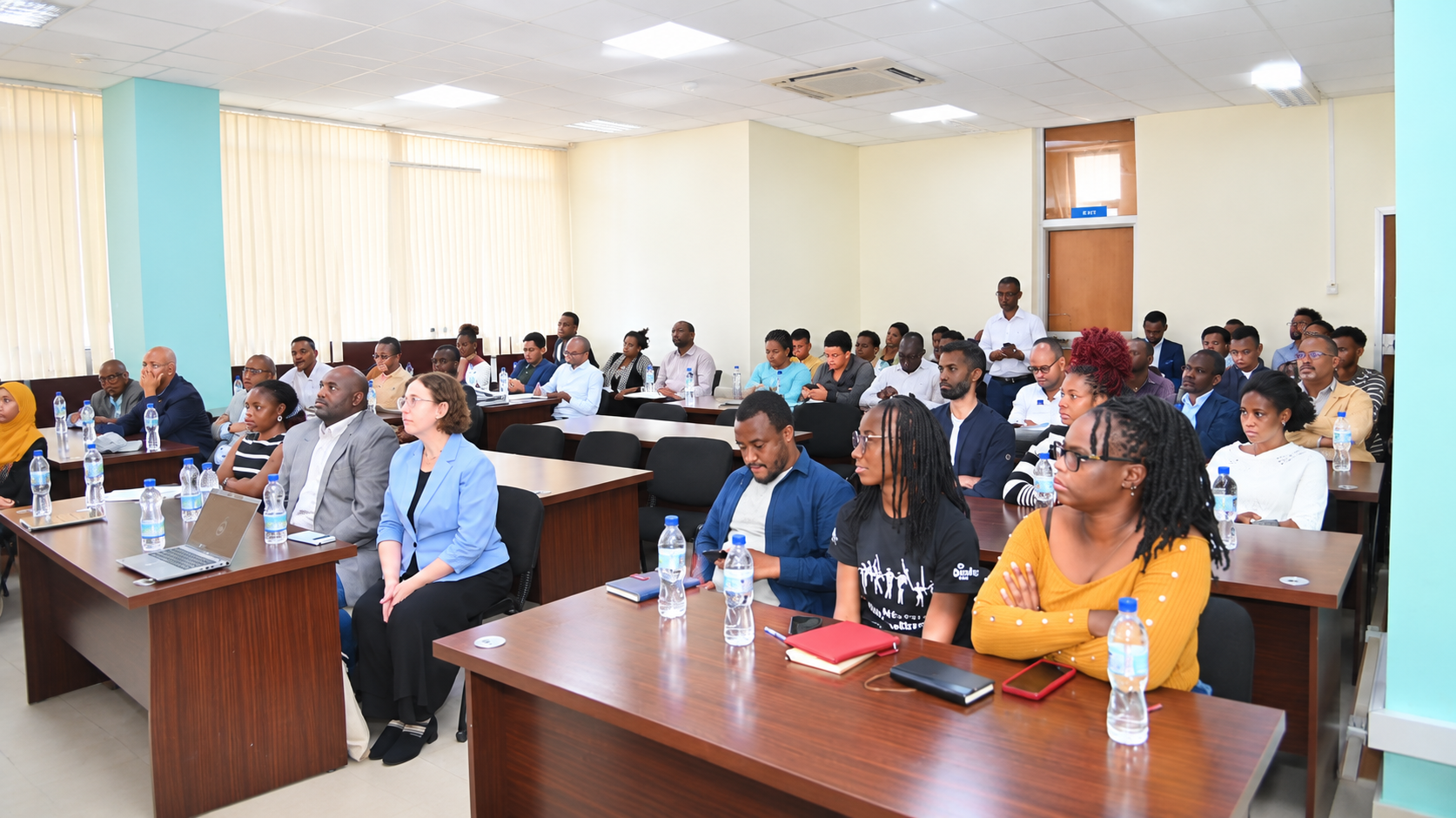
The seminar underscored the importance of interdisciplinary research and international knowledge exchange in addressing interconnected environmental challenges. Forest ecosystems play an important role in regulating the water cycle, protecting soils, storing carbon, and sustaining biodiversity. Strengthening their resilience is therefore closely linked to broader efforts to advance climate adaptation, environmental sustainability, and water security.
Through this distinguished seminar, ACEWM reaffirmed its commitment to promoting scientific dialogue, strengthening research capacity, and facilitating the exchange of knowledge between international experts and the university community. Such academic engagements contribute to expanding perspectives on environmental challenges and identifying research insights that can inform sustainable natural resource management in Ethiopia, Africa, and beyond.