
ACEWM Strengthens Administrative Staff Capacity through Digital Skills for Project Management Training
The Africa Center of Excellence for Water Management (ACEWM), under the College of Natural and Computational Sciences (CNCS) of Addis Ababa University (AAU), in collaboration with the Office of the Executive Dean of CNCS, has conducted a specialized training program designed to strengthen the digital project management skills of administrative staff.
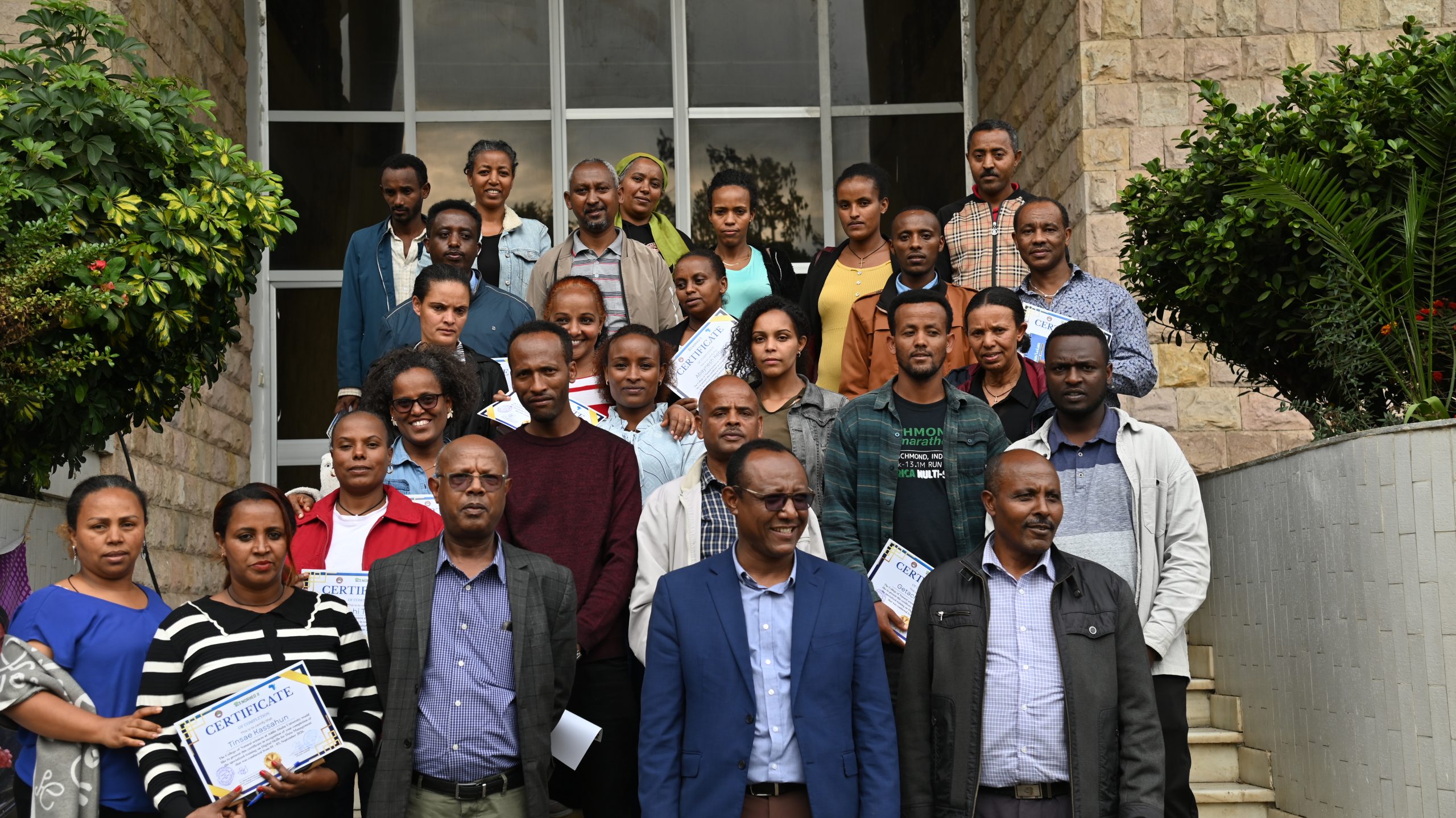
The “Digital Skills for Project Management” training was organized for staff members working in Project, Finance and Procurement, and Human Resource Management, with a total of 34 trainees participating in two cohorts. The first cohort, comprising 15 trainees, attended the three-day training from August 26–28, 2026, while the second cohort, consisting of 19 trainees, participated from September 1–3, 2026.
The training responds to the growing complexity of project administration at CNCS, which manages more than 50 active research projects across its schools, research centers, and academic departments. The training document identifies fragmented project administration, reliance on manual spreadsheets, email communication, and paper-based records as challenges that can contribute to delays in reporting, limited project visibility, unclear accountability, and difficulties in monitoring resources.
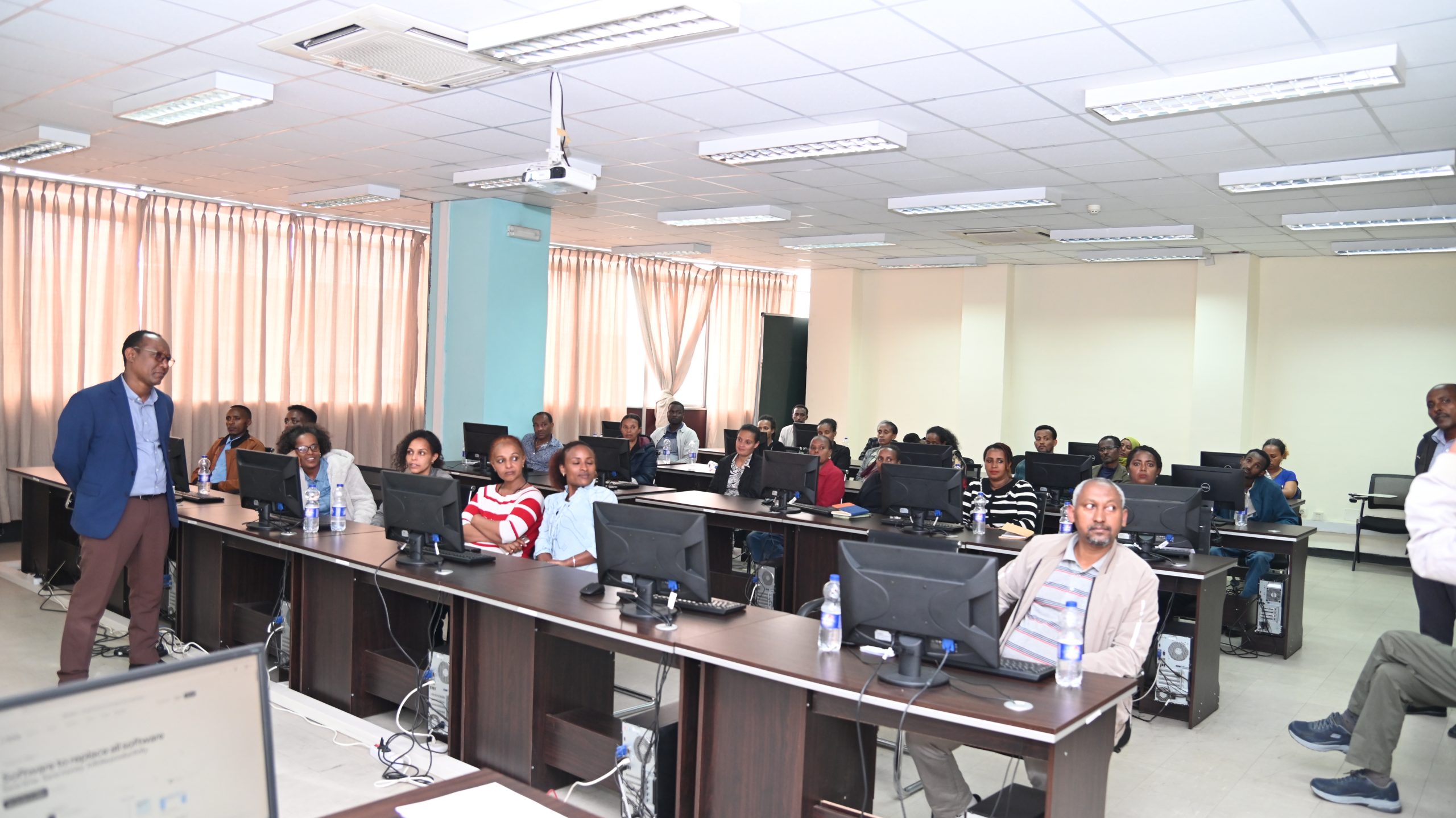
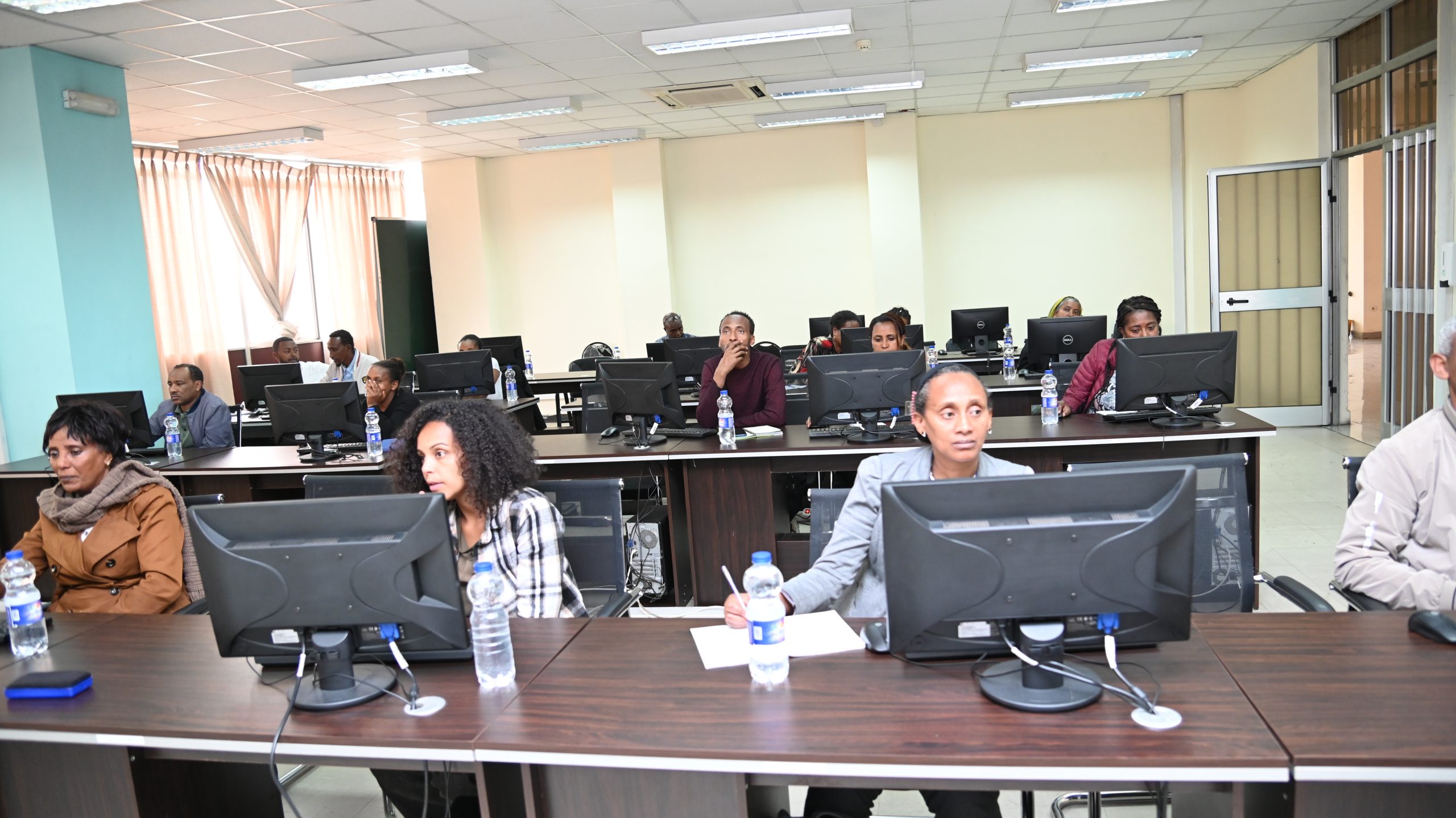
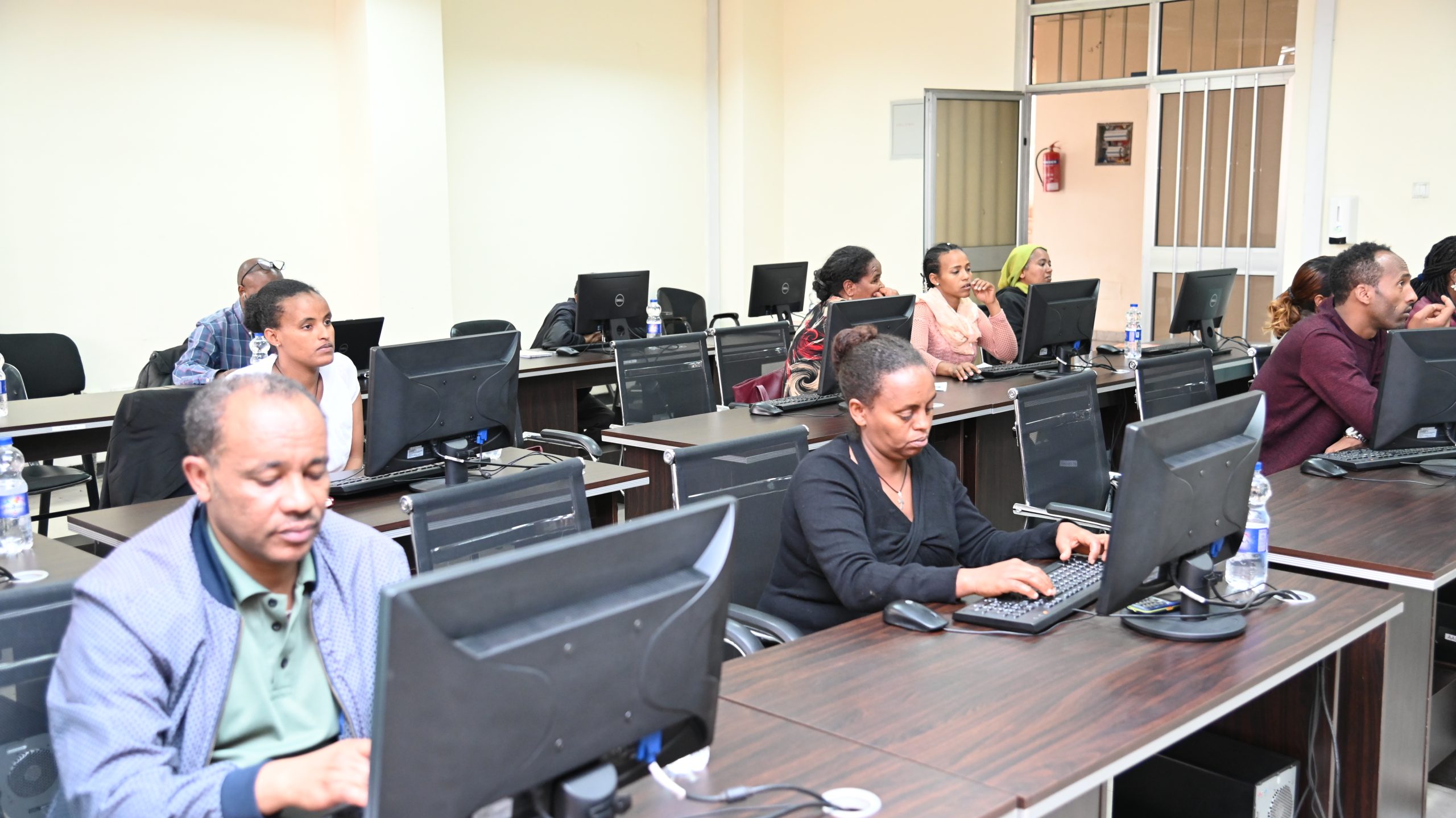
The three-day intensive program focused on equipping administrative staff with practical skills in Microsoft Excel and Microsoft Project, enabling them to plan, execute, monitor, and report on projects more efficiently. Participants were introduced to project planning and scheduling, task management and delegation, progress monitoring, budget and resource tracking, spreadsheet data processing, advanced formulas, cross-sheet data manipulation, and consolidated report generation.
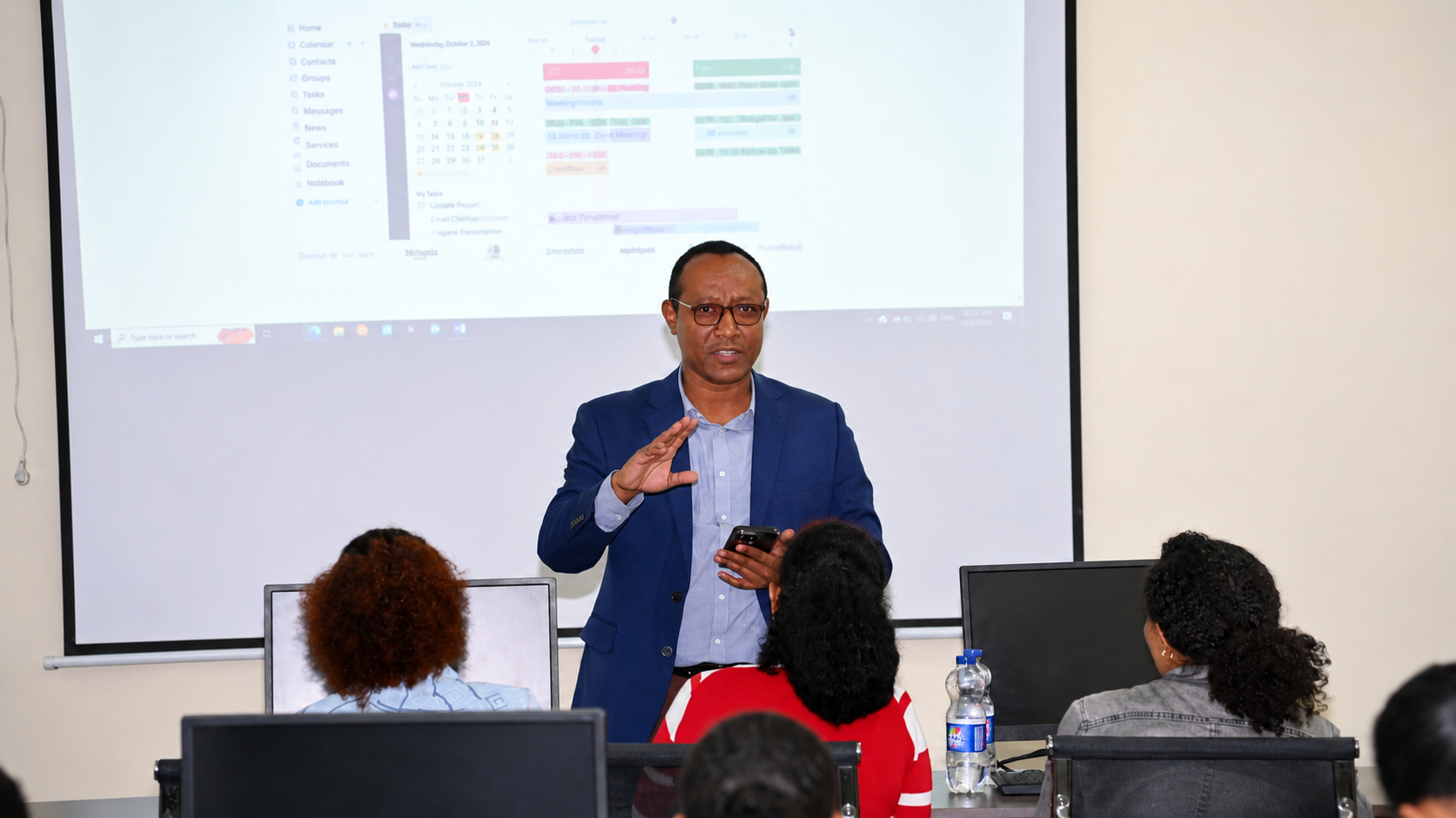
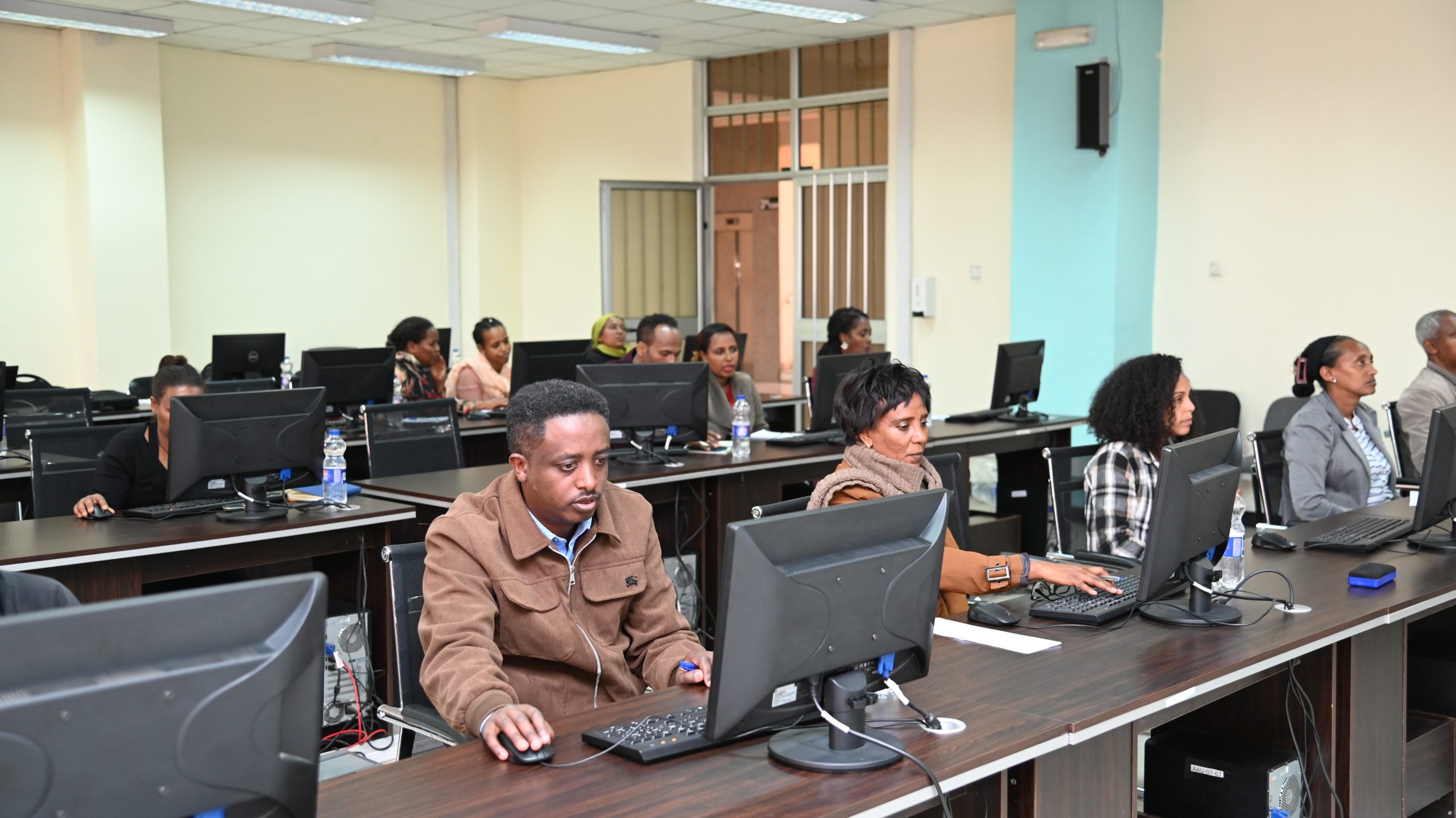
A key feature of the training was its hands-on and scenario-based methodology. Participants worked with practical exercises reflecting CNCS’s project administration needs, including grant tracking and procurement workflows. The program also included individual practice, peer learning, trainer coaching, and a capstone project in which participants developed structured project plans based on real CNCS projects.
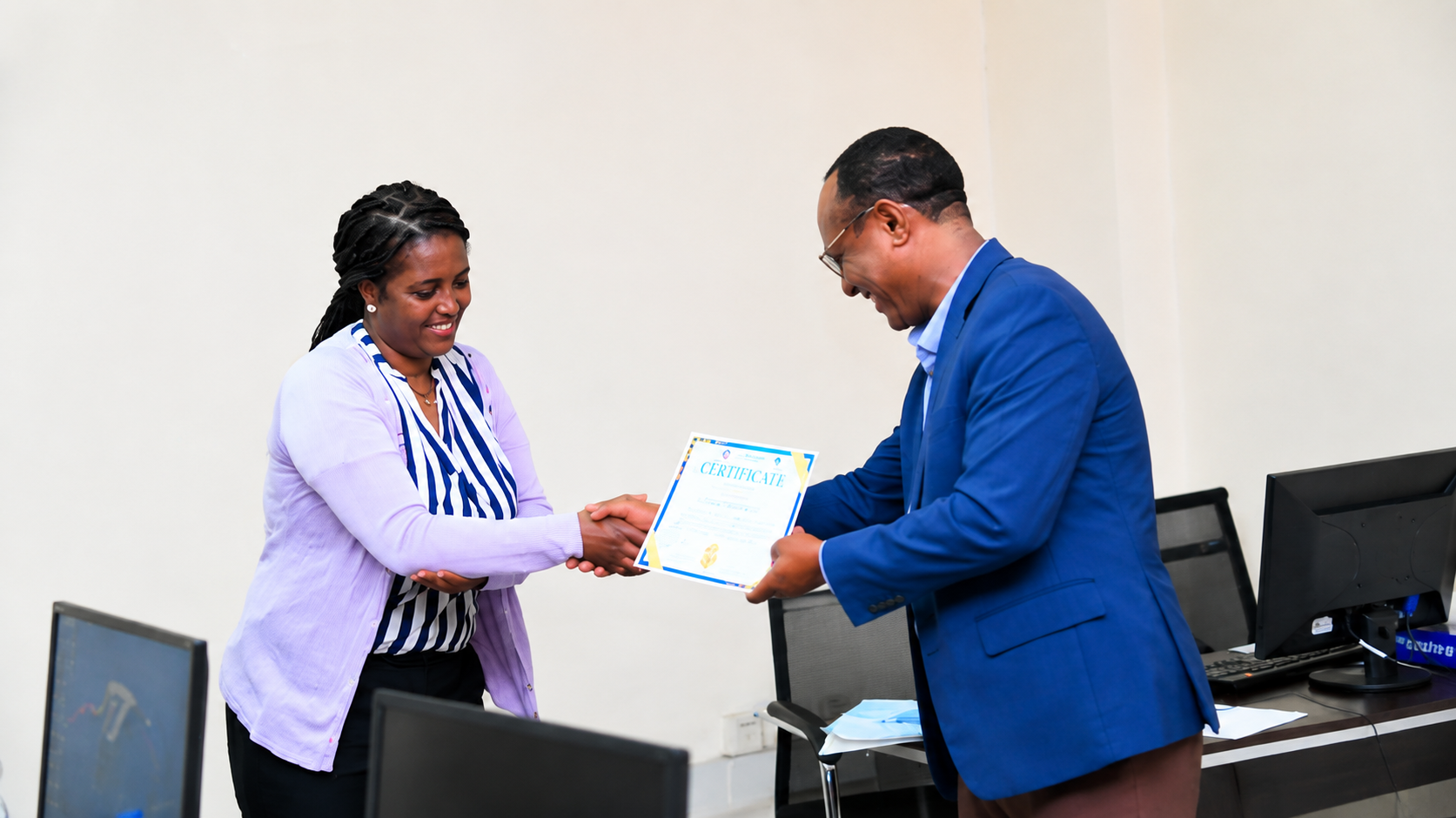
Speaking at the training, Dr. Bikila Warkineh, Executive Dean of the College of Natural and Computational Sciences, emphasized the importance of continued capacity development for administrative staff. He noted that the digital skills gained through the training would contribute to more effective project administration and institutional performance. Dr. Bikila also stated that similar capacity-building training initiatives will continue in the future, underscoring CNCS’s commitment to continuously strengthening the skills and competencies of its staff.
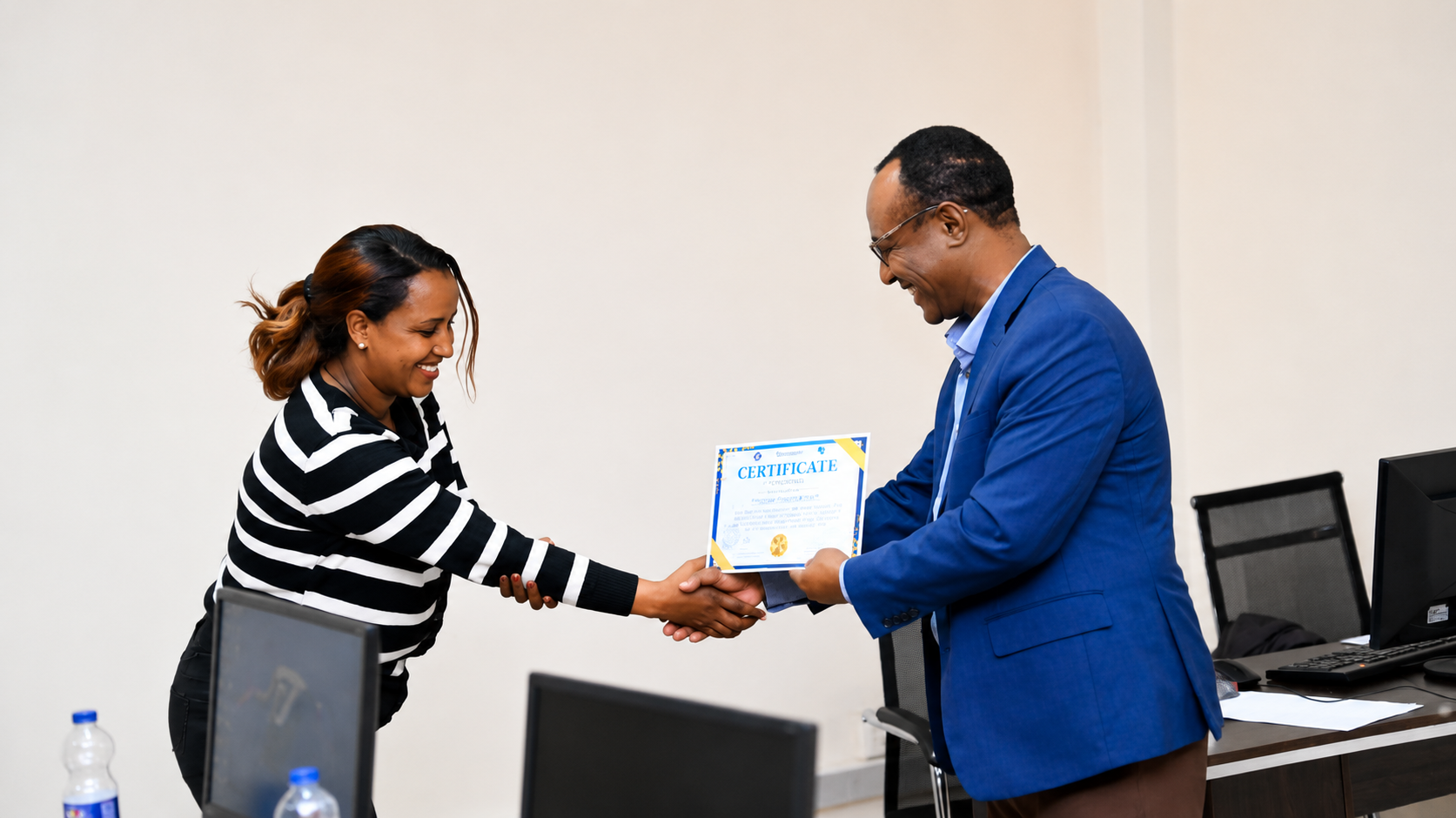
By the end of the training, participants were expected to demonstrate the ability to develop project plans with defined tasks, responsibilities and timelines; monitor progress through dashboards and project views; track expenditures against budgets; maintain project master data; generate consolidated reports; and prepare project status reports for stakeholders.
The initiative forms part of the capacity-development efforts under the NORHED II project (2021–2026), funded by the Norwegian Agency for Development Cooperation (NORAD) and implemented by ACEWM at Addis Ababa University in partnership with UiT – The Arctic University of Norway. According to the training document, the program contributes to NORHED II’s capacity development priorities by strengthening institutional systems, developing staff competencies, and introducing modern approaches to project management and reporting.
The two-cohort training therefore represents an important step toward building a more digitally enabled administrative system at CNCS—one that promotes real-time project visibility, stronger accountability, streamlined reporting, and improved budget oversight.
With 34 administrative staff trained across the two cohorts, ACEWM and CNCS are investing in the digital capabilities needed to support effective research and project administration and to sustain institutional capacity beyond the NORHED II project period. The commitment to continue similar training initiatives in the future further demonstrates the College’s efforts to establish a culture of continuous professional development and digital transformation.