
A PhD candidate at the Africa Center of Excellence for Water Management, Etsub Brhanesilassie successfully defended his doctoral dissertation.
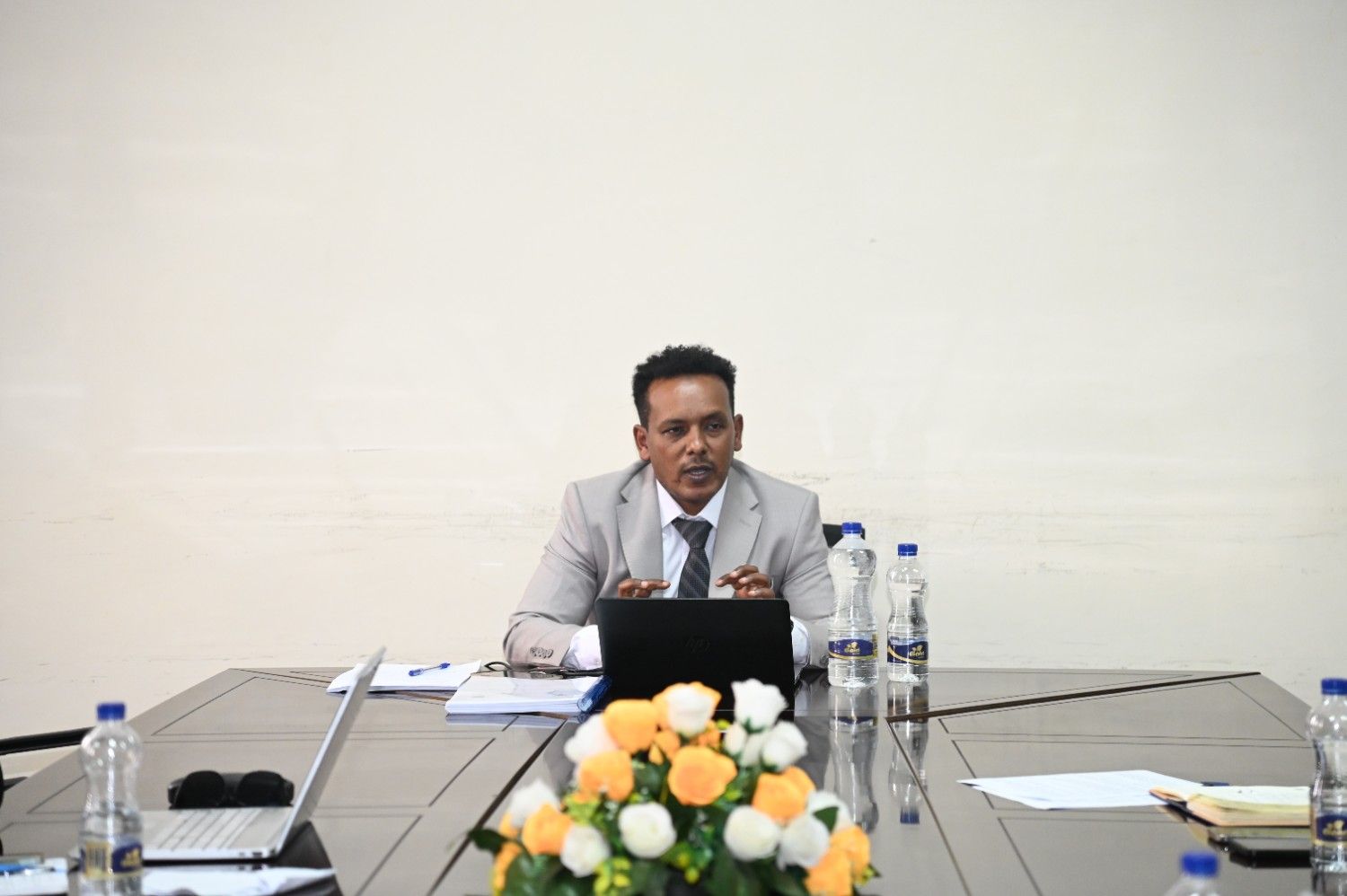
A major milestone in public health research has been achieved in Addis Ababa, as a doctoral candidate from the Africa Center of Excellence for Water Management successfully defended his dissertation examining the hidden risks within hospital water systems.
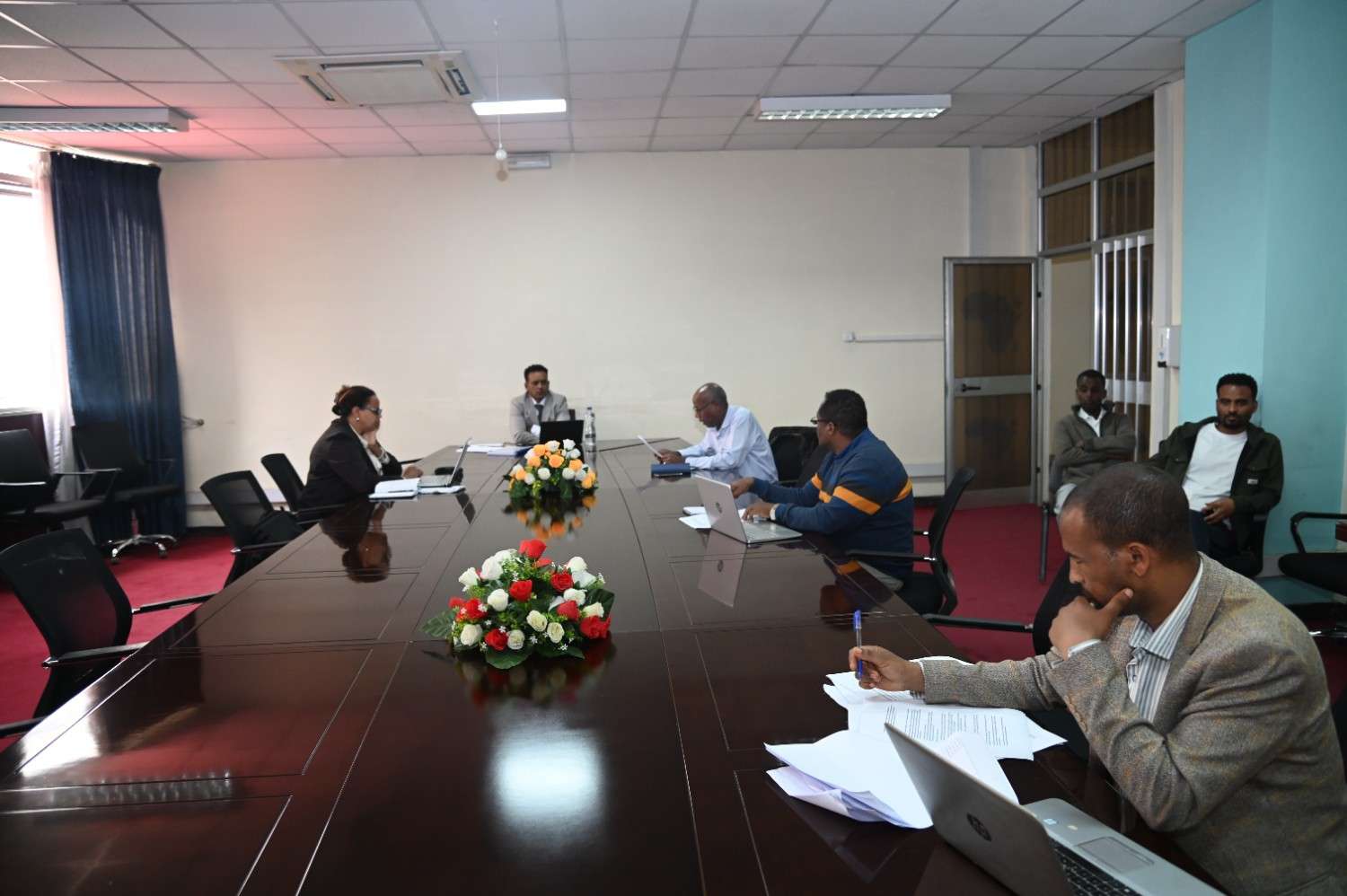
Etsub Brhanesilassie, a PhD candidate at the center, presented and defended his research titled “Hospital Water System as a Source of Waterborne Pneumonia: An Investigation of Pathogen Prevalence, Water Management Practices, and Clinical Awareness in Selected Hospitals of Addis Ababa.” The study sheds new light on how hospital water infrastructure may contribute to the spread of pneumonia-causing pathogens—an area often overlooked in infection control strategies.
The research offers a comprehensive assessment of pathogen prevalence in hospital water systems, evaluates existing water management practices, and examines the level of clinical awareness among healthcare professionals. Its findings are expected to have significant implications for hospital safety protocols and public health policies, particularly in rapidly growing urban centers like Addis Ababa.
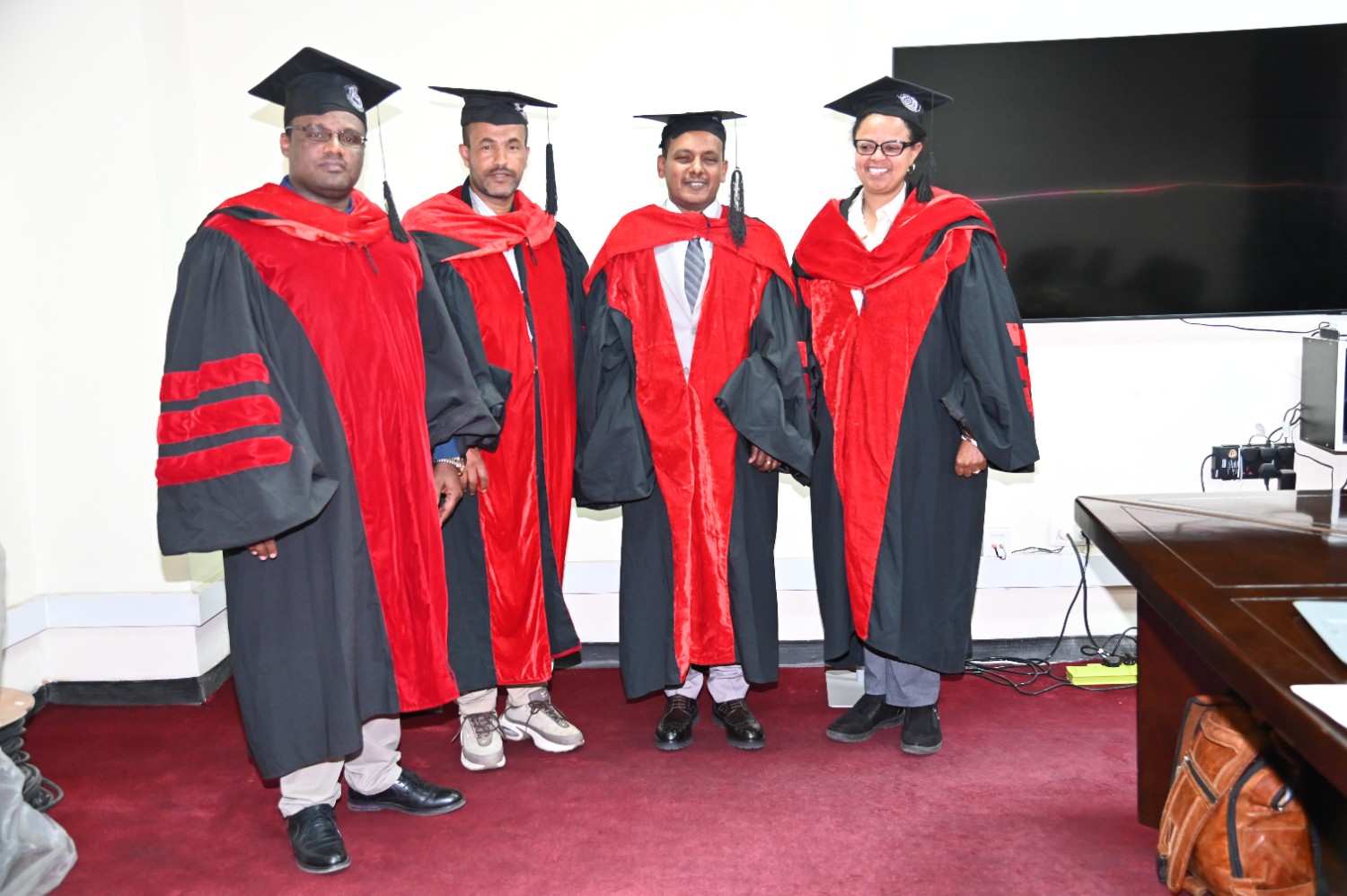
The dissertation was led under the primary supervision of Dr. Adey Feleke of Addis Ababa University, alongside co-supervisors Dr. Sirak Robele, Dr. Girma Taye, and Dr. Wondwossen Amogne, all affiliated with the same institution. Their collective expertise guided the research through its rigorous academic journey.
The defense session was chaired by Prof. Feleke Zewge, also of Addis Ababa University, ensuring a thorough and scholarly evaluation process. The examination panel included Dr. Andualem Mekonnen (internal examiner) from Addis Ababa University and Dr. Mesfin Tafesse (external examiner) from Addis Ababa Science and Technology University.
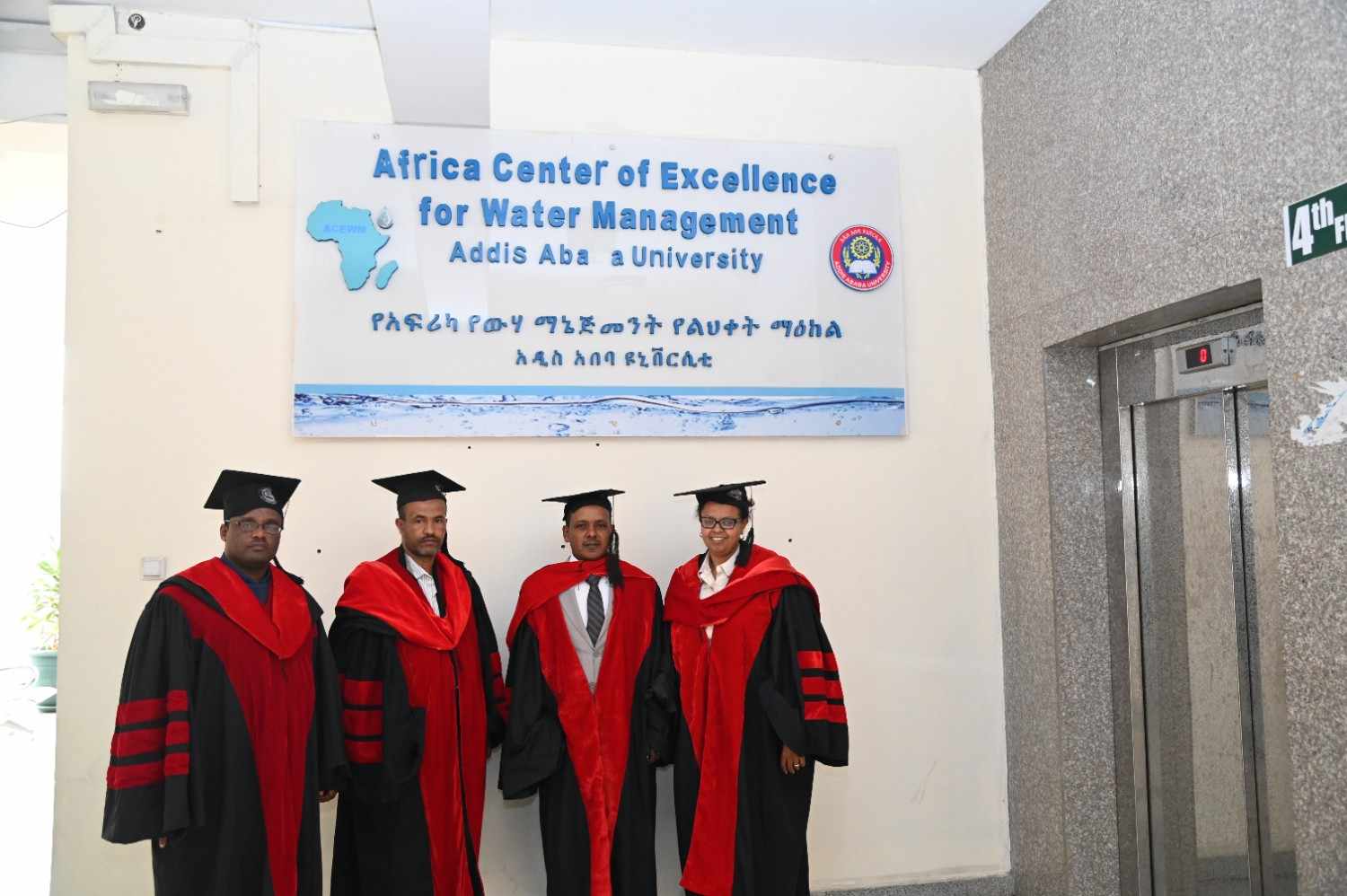
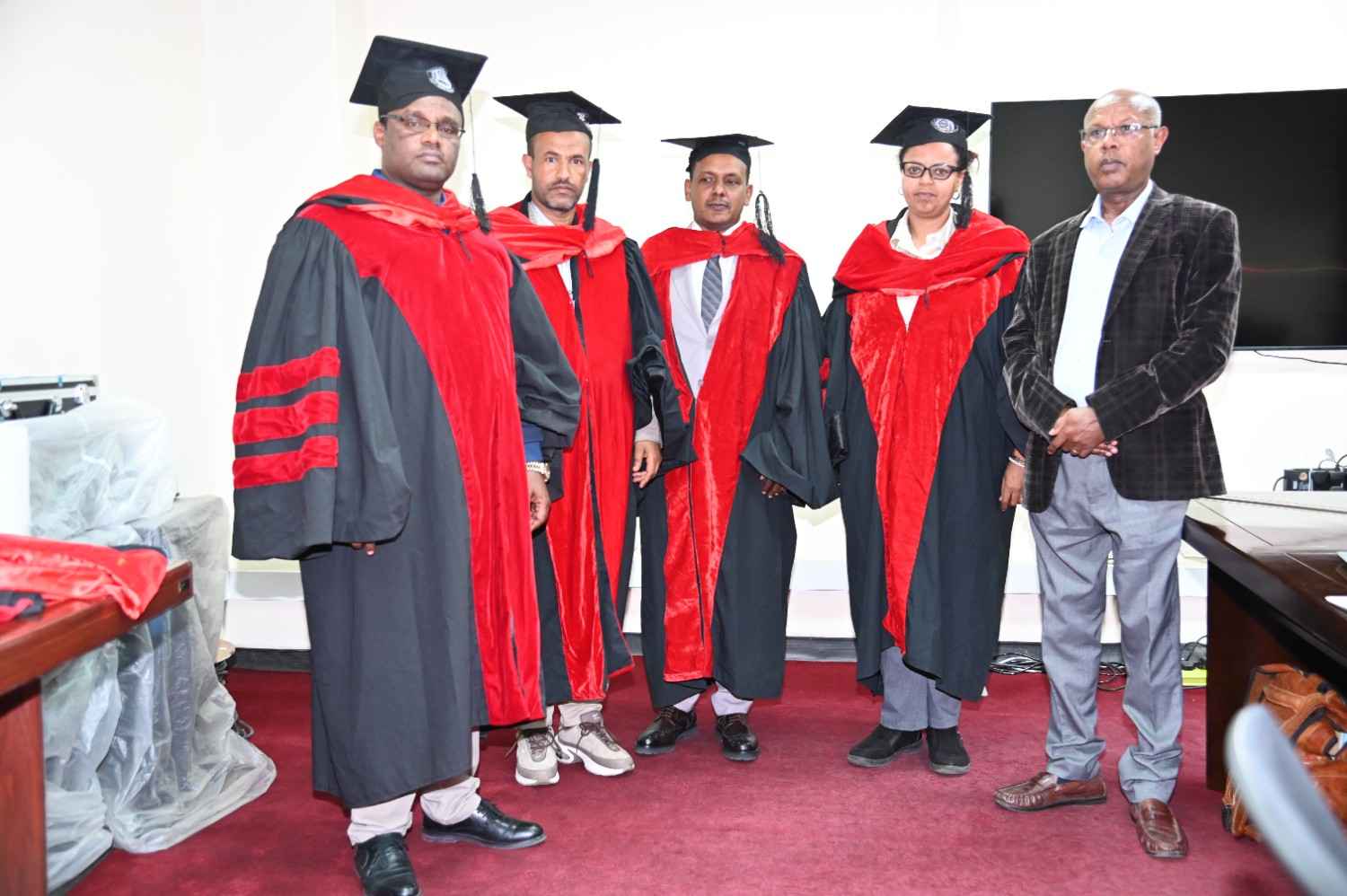
This successful defense marks not only an academic achievement for Etsub Brhanesilassie but also a meaningful contribution to the fields of water management and healthcare safety. The research is poised to inform future interventions aimed at reducing hospital-acquired infections and improving patient outcomes across Ethiopia and beyond.