
ACEWM Organizes Capacity-Building Workshop on Google Workspace for Education to Strengthen Graduate Teaching
Addis Ababa, Ethiopia | July 13–14, 2026
The Africa Center of Excellence for Water Management (ACEWM), with support from the NORHED II project, hosted a two-day capacity-building workshop titled “Leveraging Google Workspace for Education to Advance Graduate Curricula” at Holiday Hotel in Addis Ababa from July 13–14, 2026. The workshop brought together more than 15 academic staff members and graduate program coordinators to strengthen their digital teaching competencies and promote the effective integration of Google Workspace for Education into graduate curricula.
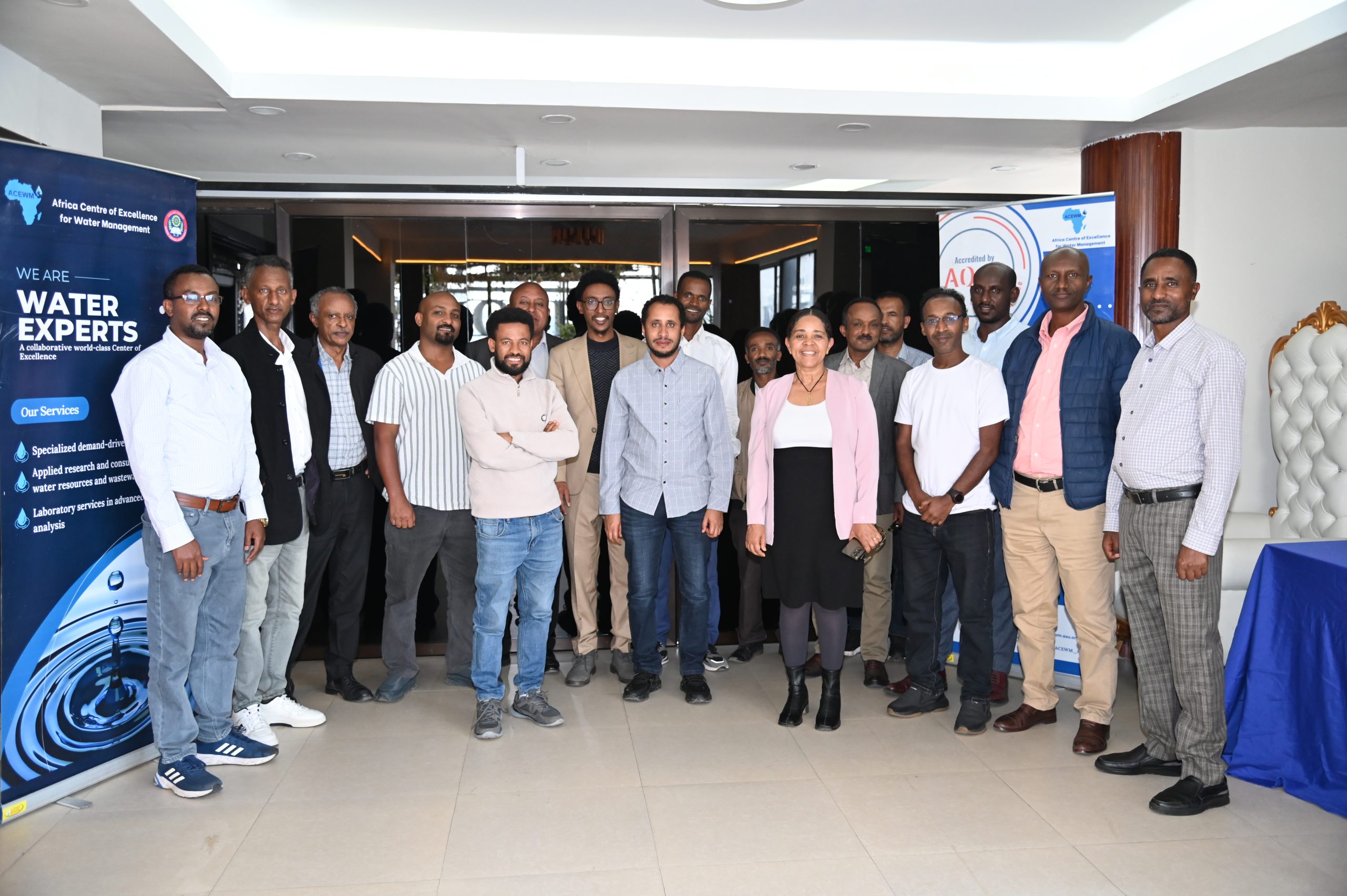
The training was designed to equip participants with practical skills for designing, managing, and delivering technology-enhanced courses while fostering collaboration, student engagement, and effective assessment in higher education. By integrating digital learning tools into graduate curricula, the initiative supports ACEWM’s commitment to improving teaching quality and preparing higher education institutions for the evolving demands of digital education.
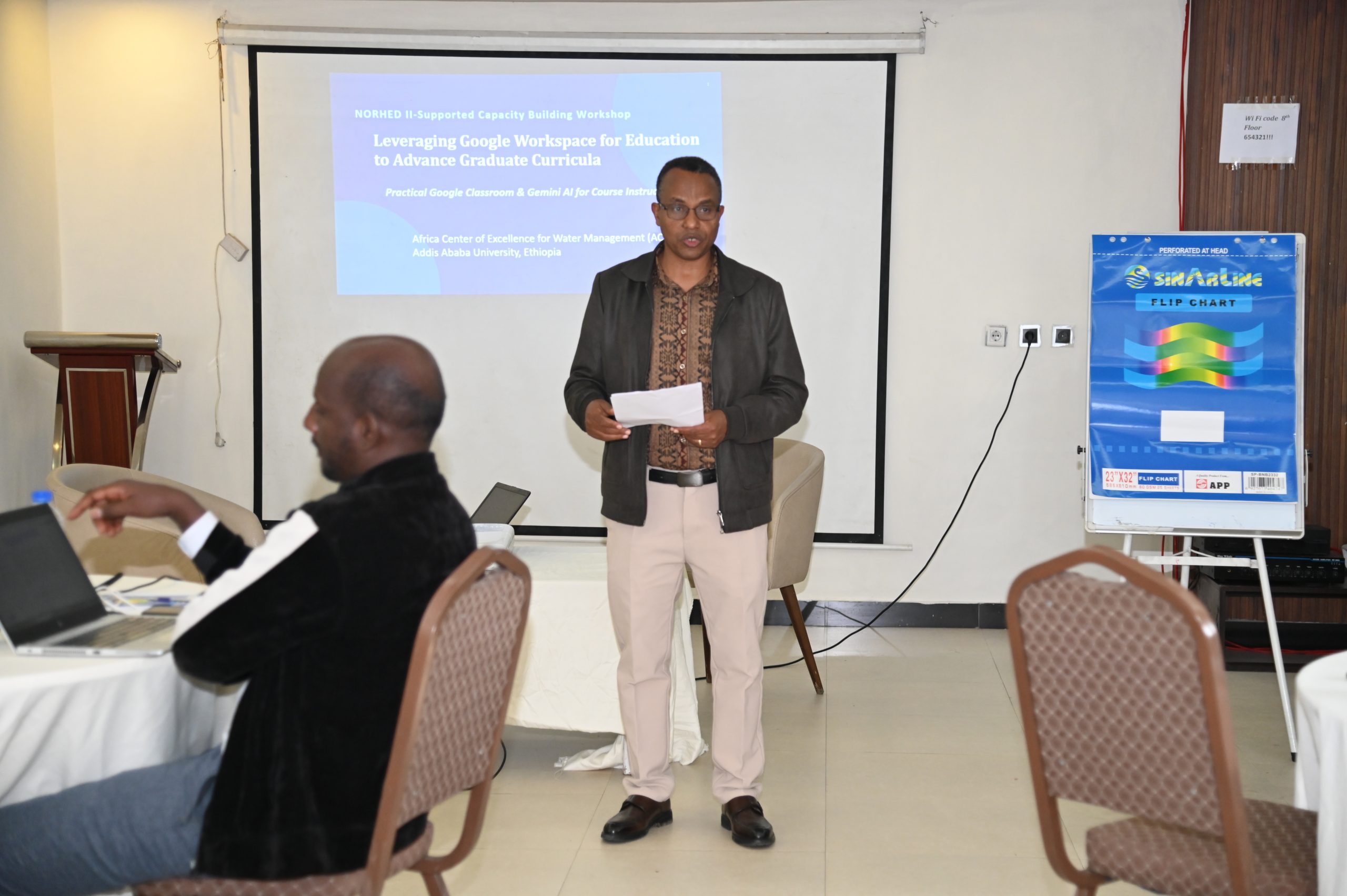
The workshop opened with welcoming remarks by Dr. Dessie Nedaw, Academic Program Coordinator at ACEWM, who represented the Center’s Director, Prof. Feleke Zewge. Participants also completed a pre-training digital competency survey and received an overview of the objectives and expected outcomes of the NORHED II initiative.
The training was facilitated by Mr. Wondesen Endale from the School of Information Science at Addis Ababa University. Drawing on his expertise in educational technologies, he guided participants through interactive demonstrations and practical exercises designed to strengthen their digital teaching skills and maximize the use of Google Workspace for Education.
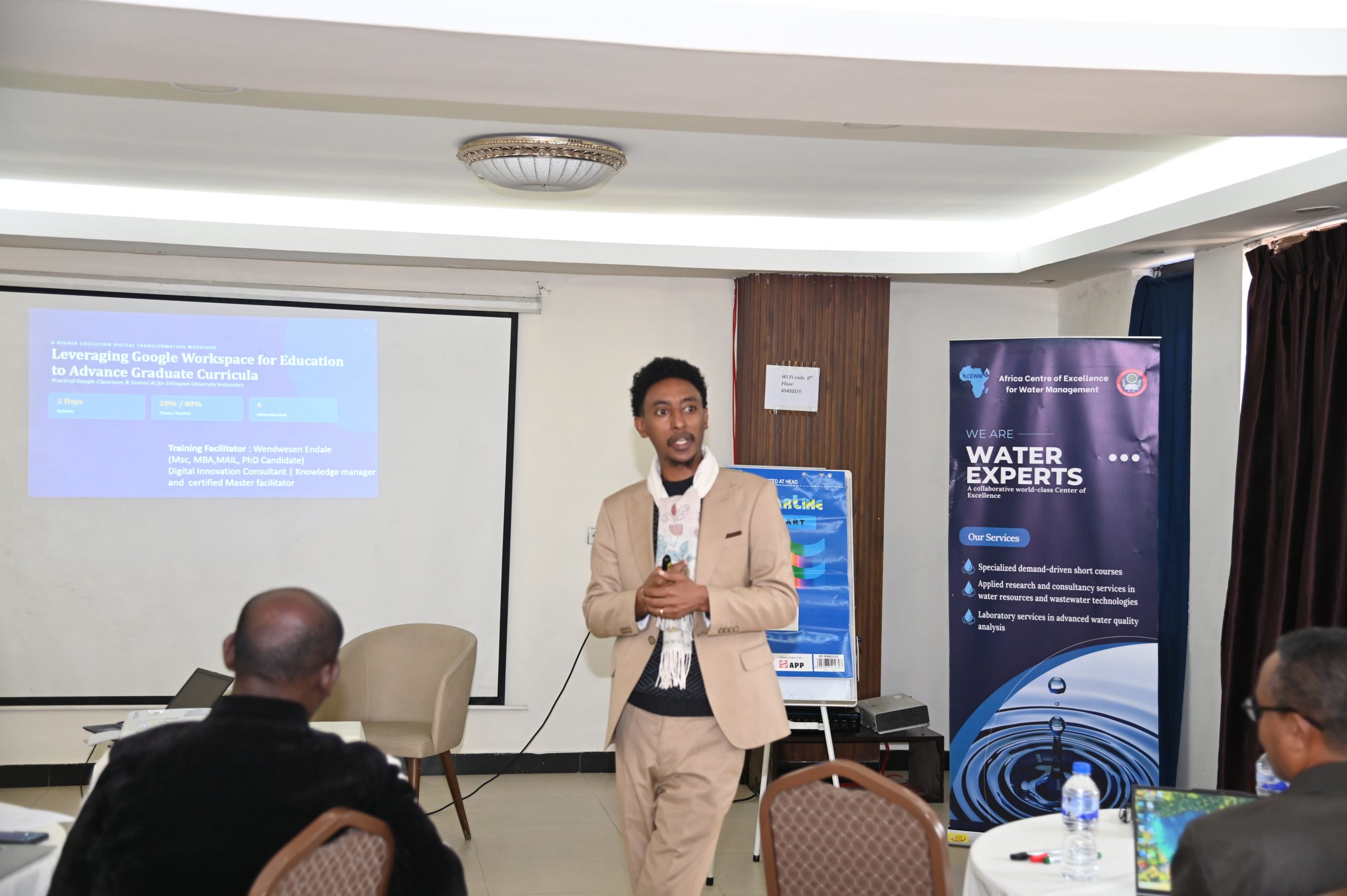
The first day focused on building a strong foundation in digital learning and Google Classroom. Participants explored key concepts in digital education, examined current trends in technology-enhanced teaching, and engaged in hands-on sessions covering Google Classroom setup, student enrollment, co-teaching features, and add-on integration. Practical exercises also introduced classroom customization, navigation of classroom management tools, assignment creation, grading rubrics, announcement posts, and resource sharing through Google Drive.
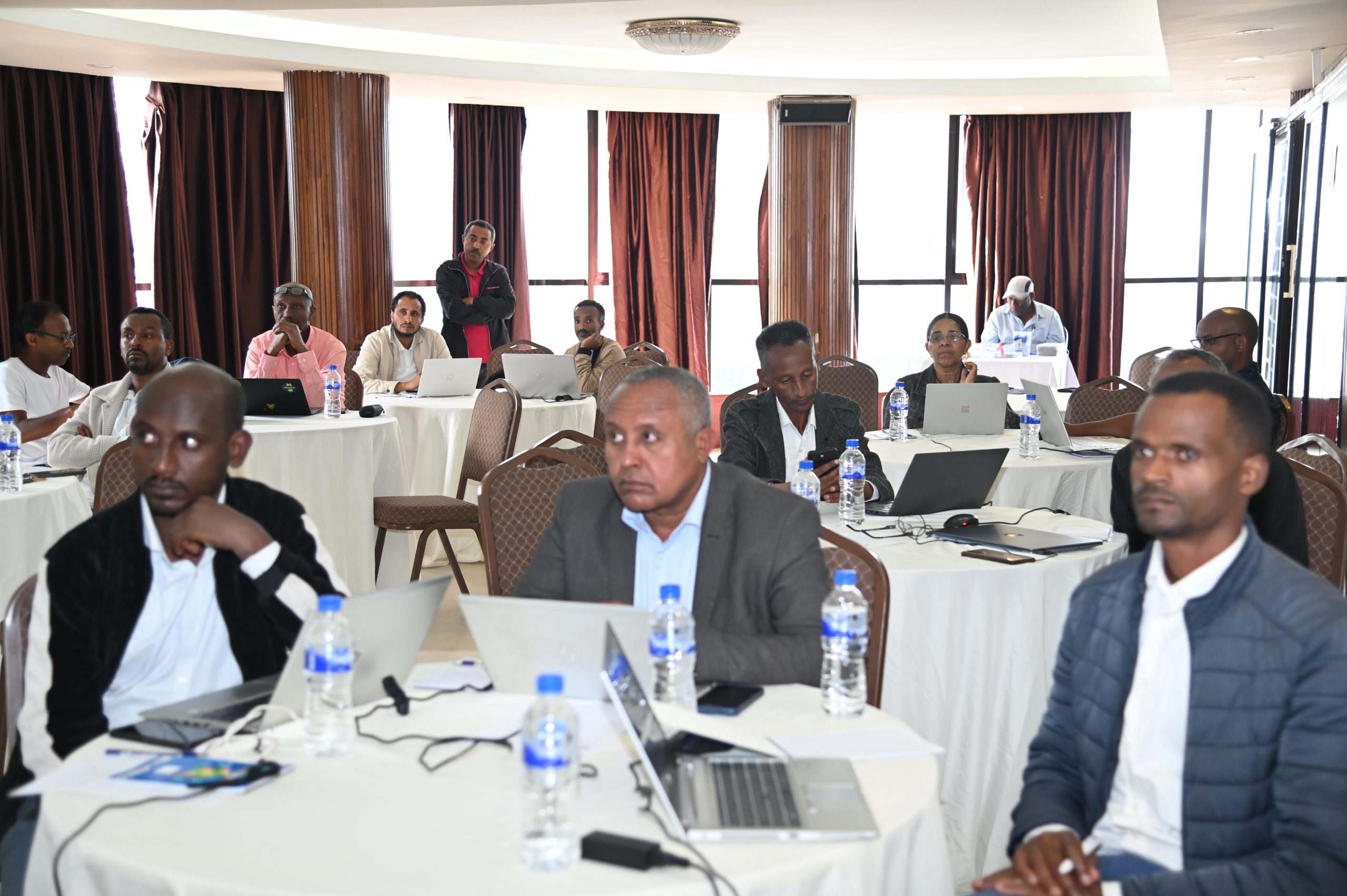
The second day emphasized assessment, collaboration, and the application of generative artificial intelligence (AI) in higher education. Participants learned how to develop online quizzes using Google Forms, utilize grading and feedback tools, and integrate Google Gemini for Education to generate quiz questions, grading rubrics, and instructional content tailored to water-related graduate courses. Sessions also covered gradebook management, anonymous grading, exporting grades, and integrating Google Calendar and Google Meet to enhance communication and collaboration.
A highlight of the workshop was the final practical assessment, during which participants created and populated complete Google Classroom course modules incorporating assignments, quizzes, announcements, grading components, and virtual meeting integration. This capstone exercise enabled participants to demonstrate their mastery of the digital tools and concepts presented during the training.
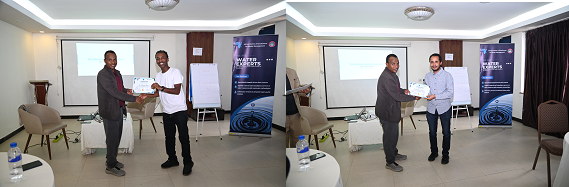
The workshop concluded with a post-training evaluation and debriefing session, followed by the presentation of certificates to participants by Dr. Dessie Nedaw. In his closing remarks, he underscored the importance of integrating digital technologies into graduate education to enhance instructional quality, promote active learning, and strengthen institutional capacity for blended and online teaching.
Participants expressed their appreciation for the practical and interactive nature of the training, noting that the knowledge and skills they acquired would help them enhance course delivery, improve student engagement, and effectively integrate digital technologies into their graduate teaching.
The NORHED II-supported workshop represents another important milestone in ACEWM’s ongoing efforts to advance academic excellence, digital transformation, and innovative teaching practices. By equipping educators with practical digital competencies and introducing emerging technologies such as generative AI, the training contributes to the development of resilient, technology-enabled graduate programs capable of addressing contemporary challenges in water education and research across Africa.